Your roof works hard every day. It handles sun, wind, rain, hail, and temperature swings, and it rarely asks for attention until something goes wrong. That is why many homeowners are unsure when asphalt shingle roof replacement becomes necessary. Some people replace a roof too early. Others wait until water is already dripping through the ceiling.
This guide explains the most common signs that it’s time to replace your roof, how aging roof shingles behave, and how a professional assessment works. It is written for homeowners who want clear, practical information before deciding. If you are also curious about longer-lasting materials, you can read about metal roofing services as an alternative to asphalt shingles.
How Long Does an Asphalt Shingle Roof Last?
Asphalt shingles are the most common roofing material on homes in the United States. They are affordable, easy to install, and available in many colors and styles. Still, they do not last forever. Most asphalt shingle roofs last between 15 and 30 years, depending on the shingle type, installation quality, and local climate.
Factors That Shorten Shingle Life
Several things can reduce the lifespan of an asphalt shingle roof:
Heat and sun exposure. Long periods of strong sunlight dry out the asphalt and make shingles brittle.
Poor attic ventilation. Trapped heat in the attic can bake shingles from underneath.
Hail and storm damage. Hail impact can bruise shingles and loosen the protective granules.
Installation errors. Incorrect nailing, poor flashing work, or missing underlayment can cause early failure.
Overhanging trees. Branches scrape the surface, and fallen leaves hold moisture against the roof.
Roof Replacement Signs Every Homeowner Should Know
Most roofs show warning signs before they fail. Learning these roof replacement signs can help you plan instead of reacting to an emergency. You can check many of them safely from the ground, from a window, or by looking at photos taken with a phone camera. Never climb onto a steep or wet roof yourself.
1. Curling or Cupping Shingles
When shingles begin to curl at the edges or cup in the middle, they have usually lost their flexibility. Curling often comes from age, heat, or moisture trapped beneath the shingle. Curled shingles lift easily in strong wind and let water slip underneath. If curling is widespread across a slope, it is one of the clearer signs that asphalt shingle roof replacement should be discussed.
2. Cracked, Broken, or Missing Shingles
A few missing shingles after a storm can often be repaired. However, repeated cracking or loss across many areas points to a larger problem. Brittle shingles break under normal conditions, and each gap exposes the underlayment and roof deck to water. Look for pieces of shingle in your yard, gutters, or flower beds after windy weather.
3. Granule Loss
The small, sand-like granules on the surface of a shingle protect the asphalt from ultraviolet light. As aging roof shingles wear down, those granules wash off and collect in gutters and at the bottom of downspouts. Bare or dark patches on the roof surface mean the shingle has lost part of its protection. Once the asphalt is exposed, it deteriorates faster.
4. Water Stains and Roof Leaks
Brown or yellow stains on ceilings and walls often point to a leak. Leaks do not always appear directly below the damaged area, because water can travel along rafters before it shows up inside. Check the attic as well. Damp insulation, dark spots on the underside of the roof deck, or a musty smell can all suggest moisture is getting in.
5. A Sagging Roof Deck
A roofline that dips or sags is a serious warning. It can mean the wood decking has absorbed water over time, or that the structure underneath is under stress. If you notice sagging, arrange a professional inspection quickly. This is not a problem to wait on.
6. Moss, Algae, and Dark Streaks
Dark streaks are often caused by algae and are mostly cosmetic. Moss is different. It holds moisture against the shingles and can lift their edges. Heavy moss growth in shaded areas may mean the roof stays damp for long periods, which speeds up wear.
7. Damaged Flashing
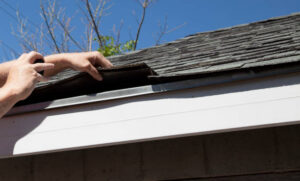
Flashing is the thin metal used around chimneys, vents, skylights, and valleys. When it rusts, cracks, or pulls away, water can enter at the roof’s most vulnerable points. Flashing can sometimes be repaired on its own, but repeated flashing problems on an older roof often signal that the whole system is reaching the end of its life.
8. Rising Energy Bills
A worn roof and poor attic ventilation can let heat in during summer and escape in winter. If your cooling or heating costs have gone up without a clear reason, the roof may be one factor. This sign is less direct than the others, but it is worth considering alongside other symptoms.
Aging Roof Shingles: What Happens Over Time
Understanding how aging roof shingles change can make inspections easier. Asphalt shingles are made from a fiberglass mat coated with asphalt and topped with mineral granules. Over the years, the asphalt slowly loses its natural oils. The shingle becomes stiffer, more brittle, and less able to shed water.
How Weather Affects Your Roof in North Texas
Climate strongly affects how long a roof lasts. In North Texas, homeowners often deal with intense summer heat, sudden thunderstorms, strong winds, and hail. Each of these puts stress on asphalt shingles in a different way.
Homeowners in the Dallas-Fort Worth area who want local guidance can look at the work of Grand Prairie, TX roofing providers to understand what roofing options are common in the region. Local knowledge matters because building codes, weather patterns, and material choices vary from place to place.
What to Expect During Residential Roof Replacement
Knowing the process ahead of time makes residential roof replacement less stressful. While every project is different, most follow a similar path.
Planning and Material Selection
The contractor measures the roof, reviews the decking condition, and discusses material options. This is also the time to talk about shingle style, color, warranty terms, and ventilation improvements.
Tear-Off and Deck Repair
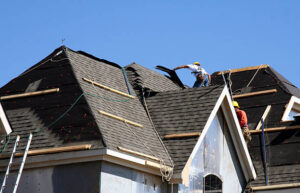
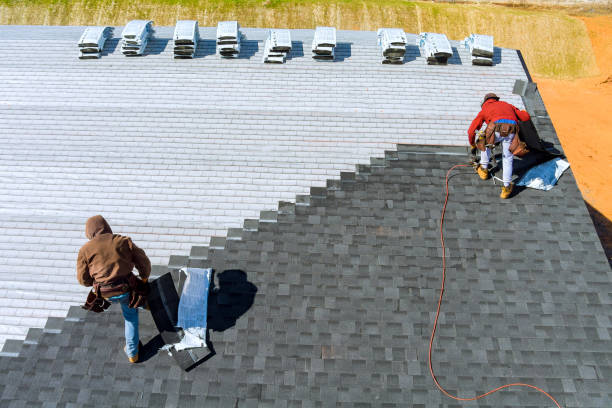
The old shingles are removed, and the roof deck is inspected. Any rotted or damaged wood is replaced. Skipping this step can cause problems later, because new shingles need a solid surface underneath.
Underlayment, Flashing, and Shingles
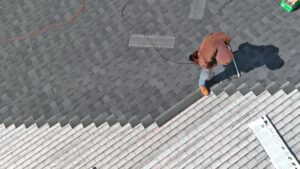
A waterproof underlayment is installed first. New flashing is added around chimneys, vents, and valleys. Then the new shingles are installed in overlapping rows, following the manufacturer’s nailing instructions.
Cleanup and Final Inspection
The crew removes debris and checks the property for stray nails. A final walk-through helps confirm the work matches the agreed plan.
When Another Roofing Material May Be Worth Considering
If you are planning a replacement, it is also a good time to think about other materials. Asphalt shingles are a practical choice for many homes, but they are not the only option. Metal roofing, for example, is known for long service life, strong resistance to wind and hail, and lower maintenance needs. It usually costs more upfront, so it is a decision that depends on your budget and how long you plan to stay in the home.
Metal Roof Specialties Inc provides metal roofing services for homeowners and property owners who want to compare materials before choosing. Reviewing the options with a roofing professional can help you decide whether asphalt shingles or metal is the better match for your home. You can also learn more about Texas metal roofing options if you want to see how metal panels perform in local conditions.
Conclusion
Asphalt shingle roof replacement is a decision based on age, condition, and risk. Most roofs last between 15 and 30 years, but the real answer depends on what you see on and under the roof. Curling, cracking, granule loss, leaks, sagging, and damaged flashing are all signs of roof replacement that deserve attention. When these problems appear together on aging roof shingles, replacement is usually more sensible than repeated repairs.
If you would like to talk through your roof’s condition or compare materials, contact us to discuss your project.