A roof protects everything under it, yet most homeowners only think about it when a stain shows up on the ceiling. A residential roof inspection helps you catch small problems before they become costly repairs. It also gives you a clear picture of how much life your roof has left.
Many people feel unsure about what an inspector actually does once they are on the property. This guide explains the full roofing inspection process in simple terms. You will learn what inspectors check, how storm damage is reviewed, and what the findings mean for your home. If you are also considering long-term options, the team at Texas Metal Roofing works with homeowners who want to understand both inspection results and material choices.
What Is a Residential Roof Inspection?
A residential roof inspection is a careful review of your roof’s condition. The inspector looks at the roof surface, edges, vents, flashing, gutters, and often the attic space below. The goal is to find damage, wear, and weak points, then explain what they mean.
An inspection is not the same as a repair visit. The inspector’s main job is to observe, measure, take photos, and report. Repairs or replacement come later, and only if the findings show they are needed.
Most inspections cover three broad areas:
The outside surface of the roof, including shingles, tiles, or metal panels
The roof edges and connection points, such as flashing, valleys, and chimneys
The inside of the home, including the attic and ceilings
Together, these checks show the overall health of the roof system, not just what is visible from the yard.
Why Homeowners Need a Residential Roof Inspection
Roofs age slowly, and damage often hides in places you cannot see from the ground. A regular residential roof inspection catches problems early, when they are usually smaller and cheaper to fix.
Routine Maintenance Checks
Most roofing professionals suggest an inspection at least once a year. A second check in the spring or fall is also common in areas with heavy weather. Routine visits help you track slow changes, such as granule loss on shingles or gradual sealant failure around vents.
After a Storm
Hail, strong wind, and heavy rain can damage a roof without leaving obvious signs. A roof damage assessment after a storm looks for lifted shingles, dents, cracks, and loose flashing. Acting quickly matters because even a small opening can let water into the structure.
Buying or Selling a Home
Buyers often ask for an inspection before closing. Sellers sometimes order one first, so there are no surprises during negotiation. A written report gives both sides a shared, factual view of the roof condition.
Insurance and Documentation
Insurance companies usually ask for proof of damage when a claim is filed. Photos and notes from a professional inspection can support that process. They also create a record of the roof condition before and after an event.
How to Prepare for a Residential Roof Inspection
You don’t need to do much to prepare, but a few simple steps can make the visit smoother.
Clear the driveway and the area near the house so the inspector can safely reach the roof edges.
Secure pets indoors.
Gather any past roofing records, warranty papers, or repair receipts.
Note any leaks, stains, or noises you have noticed.
Make sure the attic is easy to access.
Sharing your own observations helps the inspector focus on problem areas. For example, if a ceiling stain appears only after heavy rain, that clue can point to a specific section of the roof.
The Roofing Inspection Process Step by Step
The exact order can vary, but the roofing inspection process usually follows a clear path from the outside in. Below is a typical sequence.
Step 1: Exterior Review From the Ground
The inspector starts by walking around the house. They look at the rooflines, gutters, fascia, and soffits. From the ground, they can often spot sagging areas, missing shingles, or stains on the siding that suggest water runoff problems.
Binoculars or a drone may be used to view steep or tall roofs without climbing. This keeps the inspection safer and helps the inspector see the roof as a whole.
Step 2: Roof Surface Inspection
If the roof is safe to walk on, the inspector climbs up and closely examines the surface. They check for:
Cracked, curled, or missing shingles
Loose or exposed fasteners
Dents or punctures
Moss, algae, or debris buildup
Worn spots where granules have washed away
The inspector also looks at the roof’s shape. Valleys, ridges, and low slopes tend to collect water and debris, so they deserve extra attention.
Step 3: Flashing, Vents, and Penetrations
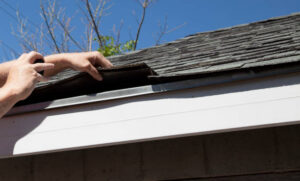
Flashing is the thin metal used around chimneys, skylights, vent pipes, and wall joints. It directs water away from openings. When flashing rusts, bends, or pulls away, leaks often follow.
Step 4: Gutters and Drainage
Gutters carry water away from the roof edge. If they are clogged or pulling away from the house, water can back up under the shingles. The inspector looks for sagging sections, loose brackets, and granules in the gutters, which can signal advanced shingle wear.
Step 5: Attic and Interior Check
Some of the most useful clues are found inside. In the attic, the inspector looks for:
Water stains on the underside of the roof deck
Damp or compressed insulation
Mold or mildew
Daylight coming through the roof boards
Poor ventilation or blocked vents
Ventilation matters more than many homeowners realize. Poor airflow traps heat and moisture, which can shorten the roof’s life from the inside.
Step 6: Photos, Notes, and the Written Report
After the physical checks, the inspector records the findings. A good report includes photos, a description of each issue, and a clear rating of how urgent each one is. It should also state the estimated remaining life of the roof when that can be reasonably judged.
Shingle Roof Inspection: What Inspectors Look For
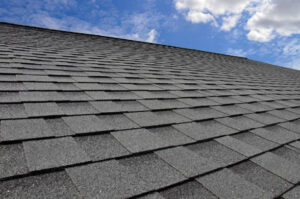
Asphalt shingles are the most common roofing material in many neighborhoods, so a shingle roof inspection is one of the most frequent types of roof checks. Shingles wear in predictable ways, and inspectors know the warning signs.
Granule loss. Shingles are coated with small mineral granules that protect against sun and rain. When granules wash off, the asphalt underneath is exposed and ages faster.
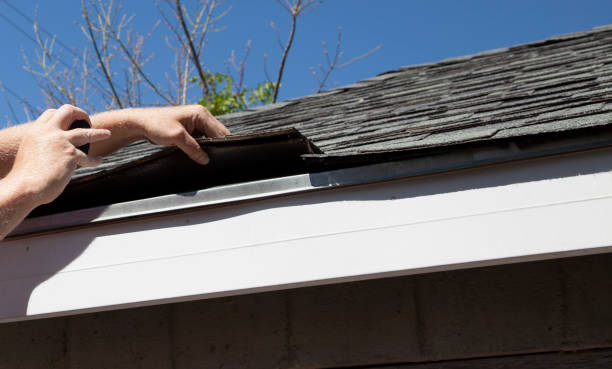
Curling and cupping. Edges that lift or curl upward often signal age, heat, or poor attic ventilation.
Cracking and splitting. Cracks usually appear when shingles become brittle. They can let water reach the roof deck.
Blistering. Small raised bubbles on the surface can indicate trapped moisture or heat damage.
Missing or slipped shingles. Strong wind can pull shingles loose. Even one missing piece can expose the layers below.
Nail pops. Nails that push upward can lift the shingle above them and create a path for water.
During a shingle roof inspection, the inspector also notes the number of layers. Older homes sometimes have two layers of shingles, which adds weight and can hide problems underneath.
Roof Damage Assessment After a Storm
A roof damage assessment is a focused review of what a specific weather event may have done to the roof. It follows the same basic steps as a full inspection, but it pays closer attention to storm-related signs.
Hail Damage
Hail can bruise shingles, crack them, or knock off granules. On metal roofing, hail may leave dents. The inspector often looks for patterns, since hail damage tends to appear in clusters on the slopes facing the storm. Soft metal items such as vents and gutters can also show dents, which helps confirm that hail hit the property.
Wind Damage
Wind damage often shows up at the edges, ridges, and corners of the roof, where uplift is strongest. Look for creased shingles, exposed nails, and sections that no longer lie flat. In severe cases, the decking beneath may be affected.
Water Intrusion and Leaks
Heavy rain can find any small gap. The inspector checks flashing, valleys, and seams, then compares the exterior findings with signs inside the home. Ceiling stains, peeling paint, and a musty smell in the attic can all point to a leak.
Fallen Debris
Branches and other debris can puncture the surface or scrape away protective layers. Even if the roof looks fine, an inspector may check underneath for hidden cracks or bent supports.
Why Fast Assessment Matters
Water damage tends to spread. A small leak that goes unnoticed for months can rot wood, ruin insulation, and cause mold. Having a roof damage assessment soon after a storm helps you document the damage and decide what to do before it gets worse.
How a Metal Roof Inspection Differs
The basic steps are similar for any roof type, but the details change by material. Metal roofing does not shed granules or curl like shingles. Instead, inspectors look at fasteners, seams, panel condition, and the coating.
Common checks on a metal roof include:
Loose or backed-out screws and fasteners
Gaps or cracks in sealant at seams and penetrations
Scratches, scuffs, or fading in the protective finish
Rust at cut edges or where the coating is damaged
Dents from hail or fallen debris
Movement at flashing, since metal expands and contracts with temperature
Homeowners who are comparing materials often start by reading about residential metal roofing and how it performs over time. Metal panels are generally known for durability and for shedding water and snow well, though they still need periodic checks. When you look through metal roofing options residential buyers consider, you will see choices such as standing seam and corrugated panels, each with its own inspection points.
A metal roof specialist can explain how these systems differ from asphalt shingles and what a typical inspection should cover. The same is true for homeowners who already have a metal roof in Texas, where the climate puts it under stress from heat, hail, and strong wind, since regular checks help catch coating wear and fastener movement early.
How Long Does a Residential Roof Inspection Take?
Most inspections take between 30 minutes and about an hour for an average-sized home. Larger roofs, steep slopes, or complex layouts can take longer. Adding a full attic review and a detailed written report also adds time.
Several things affect the length of the visit:
The size and pitch of the roof
The number of valleys, chimneys, and skylights
The roof material
Whether a storm damage review is included
How easy it is to reach the attic
Pricing varies by region, home size, and the level of detail in the report. Some companies include an inspection with a repair or replacement estimate, while others charge a separate fee. It is reasonable to ask about this before booking.
Understanding Your Inspection Report
The report is the most useful part of the visit, so it helps to know how to read it. Most reports are organized around three levels of concern.
Urgent Issues
These are problems that could cause leaks or further damage soon. Examples include missing shingles over a living area, broken flashing, or active water intrusion. Urgent items should be handled as soon as possible.
Items to Monitor
These are signs of normal aging that are not yet causing harm. Light granule loss, minor moss growth, or small sealant cracks often fall into this group. The inspector may suggest checking them again at the next visit.
Items for Long-Term Planning
If the roof is near the end of its expected life, the report may suggest planning for replacement. This is not a sales pitch. It provides information to help you budget and compare materials in advance, rather than rushing after a failure.
Conclusion
A residential roof inspection gives you facts about your roof’s condition, whether you are dealing with normal aging or a recent storm. The roofing inspection process moves from the ground to the roof surface, through flashing and gutters, and into the attic. Each step adds to a complete picture. Whether the inspector is doing a shingle roof inspection or a roof damage assessment after severe weather, the report should be clear, photo-supported, and easy to act on.
Regular inspections are one of the simplest ways to protect your home and avoid surprise repairs. If you want help understanding your roof, or you are considering long-term options such as metal, Texas Metal Roofing provides metal roof services for homeowners, and you can read more about residential metal roofing options on the service page. If you would like to schedule a roof check or talk through your inspection findings, contact us today, and we will be glad to help.