If you are planning a roof replacement, the composite shingles vs. metal roofing question is probably near the top of your list. Both materials protect homes well when they are chosen and installed correctly, and both have loyal supporters. The right answer depends on your budget, your climate, your home’s design, and how long you plan to stay in the house.
This guide compares the two materials fairly. We start with how each one is made, then look at cost, lifespan, durability, appearance, and maintenance. We pay close attention to composite roofing materials, since they are the most common choice on American homes, and we give metal roofing for homes the same careful look. If you want a second opinion along the way, a metal roof specialist can explain how metal fits your home, and an experienced shingle installer can do the same for composite. The goal is simple: to help you compare residential roofing options with clear, balanced information.
What Are Composite Shingles?
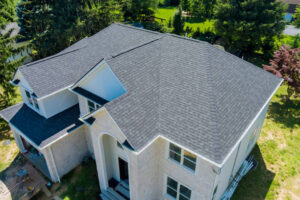
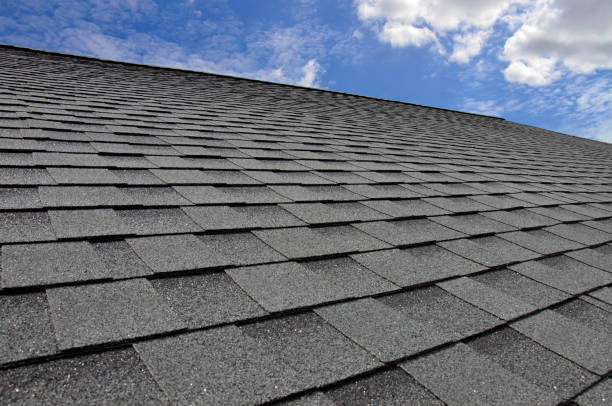
Composite shingles are roofing pieces made from a blend of materials that are bonded together to form a durable, water-shedding surface. The term is used in two ways. Most often, it describes asphalt composite shingles, which have a fiberglass mat, an asphalt coating, and a top layer of mineral granules. Less often, it refers to engineered shingles made from polymers or recycled materials that are shaped to look like slate or cedar shake.
How Composite Roofing Materials Are Built
Asphalt composite shingles are made in layers. The fiberglass mat provides strength. The asphalt makes it waterproof. The granules on top protect against the sun, add color, and improve fire resistance. Architectural versions use two or more bonded layers, creating a thicker, textured look with more depth than flat three-tab shingles.
Where Composite Shingles Work Best
Composite shingles suit nearly any home with a standard pitched roof. Crews across the country know how to install them, which makes scheduling and repairs straightforward. They also come in a wide range of colors so that they can match almost any siding or brick.
What Is Metal Roofing?
Metal roofing is a system of metal panels or shingles that are fastened to the roof deck. The panels lock together or overlap to shed water and snow. Metal roofing for homes comes in several forms, and each has a different look and installation method.
Common Types of Residential Metal Roofing
Standing seam panels: Long vertical panels with raised seams and concealed fasteners. They give a clean, modern look.
Exposed fastener panels: Ribbed or corrugated panels that are screwed through the surface. They are often simpler and more economical.
Metal shingles and tiles: Smaller pieces stamped to resemble slate, shake, or clay tile.
Common Metal Materials
Steel is the most common material and is usually coated with zinc or an aluminum-zinc blend to resist rust. Aluminum is lighter and naturally resists corrosion, which makes it useful near the coast. Copper and zinc are premium options with a distinctive appearance and very long service lives. Each metal has its own price point and performance profile.
Benefits of Composite Shingles
Composite shingles remain popular for good reasons. Here are the main strengths.
Lower Upfront Cost
For many homeowners, cost is the deciding factor. Composite roofing materials generally cost less to buy and install than metal. This makes a full replacement more manageable and leaves more budget room for other home projects.
Wide Availability and Easy Repair
Because composite shingles are so common, nearly every roofing company can install and repair them. If a few shingles are damaged in a storm, a roofer can often replace just those pieces. Matching colors is usually easy, especially on newer roofs.
Design Flexibility
Manufacturers offer dozens of colors and several styles. Architectural shingles can mimic the look of wood shake, and designer lines add even more depth. This variety helps the roof match a wide range of home styles and neighborhood rules.
Proven Track Record
Composite roofing has been used on homes for decades, so its performance is well documented. Warranties, installation methods, and building code requirements are all familiar to inspectors and insurers.
Benefits of Metal Roofing
Metal roofing has many strengths that explain its growing popularity among homeowners.
Long Service Life
Metal roofs are known for lasting decades. Many panels carry long warranties on both the material and the paint finish. For homeowners who plan to stay in their home for a long time, this durability can be an important advantage.
Strong Weather Performance
Metal panels shed rain and snow quickly. Many systems are tested for high wind resistance, and interlocking panels can hold up well in storms. Metal is also noncombustible, which can help in areas that face wildfire embers or lightning-related fire risk.
Energy Considerations
Many metal roofs have reflective coatings that send sunlight away from the roof surface. This can reduce heat gain in the attic during hot months. Results depend on color, insulation, and ventilation, so savings vary from home to home.
Low Maintenance and Recyclability
Metal roofs generally need little upkeep beyond periodic inspections and gutter cleaning. At the end of their life, the panels can usually be recycled, which appeals to homeowners who care about material reuse.
Limitations of Metal Roofing
Metal roofing has real strengths, and it also has trade-offs that homeowners should understand.
Higher upfront cost: Metal usually costs more upfront than composite roofing materials, although its longer lifespan can offset some of this over time.
Installation skill: Panels must be measured, cut, and fastened with care. Proper detailing around valleys, vents, and chimneys matters.
Dents from large hail: Heavy hail can dent thinner panels. The damage is often cosmetic, but it can affect appearance and, in some cases, insurance claims.
Thermal movement: Metal expands and contracts with temperature. Good systems account for this with clips and slotted fasteners.
Sound: Rain can sound louder on metal if there is no solid deck or insulation beneath it. Modern installations with solid decking reduce this noticeably.
Repair and matching: Replacing a single panel can be harder than replacing a few shingles, and paint colors may fade differently over time.
Cost and Lifespan: Looking at the Full Picture
Price comparisons can be misleading if they only look at the first invoice. Composite shingles cost less upfront. Metal costs more upfront and may last much longer. To compare them fairly, consider cost per year of service, not just total price.
Quotes for a metal roof in Texas project can vary widely by metal type, panel style, and roof size, so ask for line-by-line estimates. Your plans matter more than any average figure. Ask yourself how long you expect to own the home and how you would use the money saved up front.
Durability in Texas Weather
Texas homes face heat, hail, wind, and heavy rain, often in the same year. Both materials can handle these conditions when they are matched to the risk. Homeowners researching metal roofing in Texas often find that standing seam panels perform well in wind. At the same time, impact-resistant composite shingles are a common choice for homeowners who want hail protection at a lower price.
Heat and Sun
Dark composite shingles absorb heat, but cool roof granules can reduce this effect. Metal roofs with reflective coatings can also lower heat gain. In both cases, proper attic ventilation does as much work as the roof surface itself.
Hail Risk
North Texas sees frequent hail. Class 4 impact-resistant composite shingles and heavier gauge metal panels are both designed for this risk. Ask your contractor for the specific impact rating of any product you consider, and ask your insurance agent whether the rating affects your premium.
Can You Combine Both Materials?
Some homeowners use both materials on one property. For example, a main house may have composite shingles while a porch, dormer, or carport uses metal panels. This approach can add visual interest and balance cost with performance in areas that need extra protection. A contractor should confirm that the materials and flashing details are compatible so water doesn’t find a way in at transition points.
Conclusion
The composite shingles vs metal roofing decision does not have a single correct answer. Composite roofing materials offer lower upfront cost, easy repairs, and a wide choice of looks. Metal roofing for homes offers a long service life, strong weather performance, and low maintenance. Each material also has trade-offs, and the best choice depends on your budget, your plans for the home, and the weather risks where you live.
The most useful step is to gather written estimates for both materials and compare them side by side. Texas Roofing Specialists provides roofing information and services for homeowners, and the team can walk you through your residential roofing options without pushing you toward one material. If you want to talk with metal roofing specialists about your project or look for a Metal Roofing Contractor in Frisco, TX, you can reach out anytime. To start a conversation about your roof, contact Texas Roofing Specialists and ask for guidance on the option that fits your home.