Choosing a new roof is one of the biggest decisions a homeowner makes, and the choice looks different in Texas than in most other states. Heat, hail, high winds, and heavy rain test a roof year after year. That is one reason asphalt shingle roofing Texas homeowners rely on remains the most common residential roofing choice across the state. Asphalt shingles for homes are widely available, come in many styles and colors, and fit a wide range of budgets.
This guide explains the main shingle styles, color choices, and product options so you can compare them with confidence. It also covers how the Texas climate affects your decision, how asphalt compares with other materials such as a metal roof in Texas homeowners sometimes consider, and what to ask before you sign a contract. By the end, you should have a clear idea of which residential shingle roofing option suits your home.
What Is Asphalt Shingle Roofing in Texas?
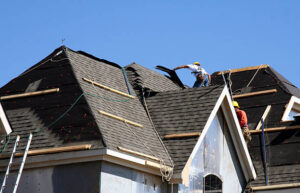
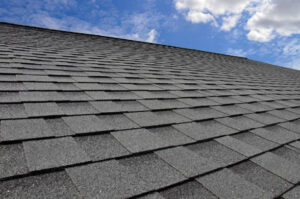
Asphalt shingle roofing is a system of overlapping shingles that shed water from the roof surface. Each shingle is a small, flat piece that is nailed to the roof deck in rows, starting at the bottom edge and working upward. Because each row overlaps the one below it, rain and melting ice move down the roof and off the edge instead of seeping inside.
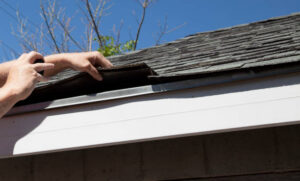
In Texas, this roofing type is popular for practical reasons. It is familiar to nearly every roofing crew in the state, so installation is straightforward. Repairs are also simple, since a damaged shingle can often be replaced without redoing a full section. Replacement shingles are easy to find, which keeps long-term maintenance manageable.
How Asphalt Composite Shingles Are Made
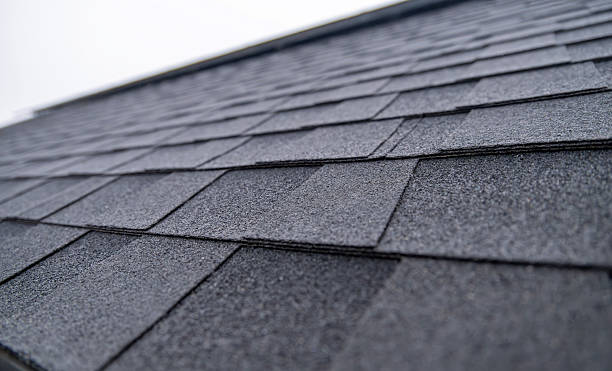
Asphalt composite shingles are built in layers. The core is a fiberglass mat that gives the shingle strength and keeps it flat. That mat is coated with asphalt, which makes it waterproof. On top, a layer of mineral granules is pressed into the asphalt. These granules protect the shingle from sun damage, add color, and help the roof resist fire.
Why the Name Can Be Confusing
You may see the same product called asphalt shingles, composition shingles, or composite shingles. In everyday roofing conversation, these terms usually mean the same thing. When you compare quotes, check the product line, thickness, and warranty rather than relying on the name alone.
Why Texas Homes Often Use Asphalt Shingles
Heat and Sun Exposure
Long, hot summers put steady stress on any roof. Attic temperatures can climb far above the outdoor temperature, and shingles expand and contract as they heat during the day and cool at night. Over many years, that movement can lead to cracking and granule loss. Choosing a shingle with strong granule adhesion and, when suitable, a reflective color can help reduce this wear.
Hail and Storm Activity
Much of the state sits in an area where hail is common, especially across North Texas and the Panhandle. Hail can bruise shingles, knock off granules, and crack the fiberglass mat. For this reason, many homeowners look at impact-resistant products, which we cover later in this guide.
Wind and Coastal Weather
High winds are a concern in many regions, and coastal areas also face tropical storms. Shingles are rated for wind speed, and the rating depends on both the product and how it is installed. Proper nailing, correct nail placement, and a sealed shingle edge all play a role.
Humidity and Algae Growth
In humid areas such as the , dark streaks often appear on roofs. These streaks are caused by algae, which feed on materials in the shingle. They are mostly a visual issue, but they can make a roof look old long before it is. Algae-resistant shingles are designed to slow this growth.
Asphalt Shingle Styles for Texas Homes
When homeowners compare asphalt shingle roofing options in Texas, the first choice is usually the style. Style affects appearance, thickness, wind resistance, and expected lifespan. Here are the main categories you will see.
Three Tab Shingles
Three tab shingles are the most basic option. Each shingle is cut into three equal sections, which creates a flat, uniform look with clean lines. They are lightweight and cost less than other styles, so they are often used on rental properties, small homes, or budget-focused projects.
Architectural Shingles
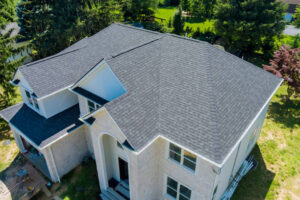
Architectural shingles, also called dimensional or laminate shingles, are the most common choice for residential shingle roofing today. They are made from multiple layers bonded together, which gives the roof a thicker, textured look. The varied shadow lines create depth, and many people say the result looks closer to natural wood or slate.
Luxury or Designer Shingles
Luxury shingles are the thickest and most decorative asphalt option. They are often shaped and layered to resemble cedar shake or natural slate, and they can add a high-end look to larger or more traditional homes. They cost more than architectural shingles and are heavier, so the roof structure should be able to support the added weight.
Impact Resistant Shingles
Impact resistant shingles are built to handle hail better than standard products. They usually use a flexible, rubber-like asphalt blend or a reinforced mat. These products are tested under a standard that drops steel balls onto the surface, and they receive a Class 1 to Class 4 rating. Class 4 is the highest level.
Asphalt Shingle Colors and Design Choices
Color is the part of the project most people enjoy, but it also has practical effects. A roof covers a large share of what you see from the street, so the color should work with your siding, brick, stone, and trim.
Popular Color Families
Most manufacturers group their colors into a few broad families.
Black and charcoal: These are classic choices that pair well with brick, stone, and light siding. Dark colors absorb more heat, which is worth considering in a hot climate.
Gray and slate: Gray tones suit modern and transitional homes and work well with white, tan, or blue exteriors.
Brown and tan: Warm browns blend with natural landscaping and complement red brick and cream stucco.
Weathered wood: This blend of gray and brown tones hides dirt well and fits many exterior color schemes.
Green and blue tones: These are less common but can suit certain styles, such as cottages or homes surrounded by trees.
Blended Versus Solid Colors
Many asphalt shingles for homes use blended granules, meaning several shades are mixed into a single color. This creates a natural, varied look and helps hide small stains or minor fading. Solid colors look cleaner and more uniform, but they can show dirt and streaks more easily.
Matching Color to the Texas Climate
Lighter colors reflect more sunlight, which can reduce the heat a roof absorbs. Some manufacturers also offer cool roof shingles with special granules that reflect more solar energy, even in darker shades. If your home has a hot attic or high cooling bills, these products are worth discussing with your roofer. Color is only one factor, though. Attic ventilation and insulation usually have a bigger effect on energy use.
Check Neighborhood and HOA Rules
Some neighborhoods and homeowners associations limit roof colors or styles. Check these rules before you order materials. It is much easier to confirm approval first than to correct a mismatch after the roof is installed.
Product Options and Features to Compare
Two shingles can look almost the same and still perform very differently. When you compare product lines, these features deserve attention.
Wind Ratings
Manufacturers publish wind ratings for their shingles, often in the range of 110 to 130 miles per hour. These ratings usually apply only when the shingles are installed with the specified nailing pattern and the right number of nails per shingle. Ask your contractor which installation method they will follow.
Algae Resistance
Algae-resistant, often labeled AR, shingles include copper or other treated granules that slow dark streaking. This feature is especially helpful in humid parts of Texas .
Reflective or Cool Roof Options
Cool roof shingles use reflective granules to send more sunlight away from the roof surface. Some are certified under programs that track energy performance. Savings vary, so treat this as one helpful feature rather than a guarantee of lower bills.
Warranty Coverage
Warranties differ in length and in what they cover. Read the details carefully. Look for the difference between material coverage and workmanship coverage, and ask whether the warranty can be transferred if you sell your home. Some warranties also depend on using matching accessories, such as underlayment, starter strips, and ridge caps, from the same manufacturer.
Common Manufacturers
Several national manufacturers sell asphalt composite shingles in Texas, including GAF, Owens Corning, CertainTeed, Atlas, and IKO. Each offers entry-level, mid-range, and premium lines. Rather than choosing by brand name alone, compare the specific product line, its warranty, and its performance ratings.
Asphalt Shingles Compared With Metal Roofing
Many homeowners also ask how asphalt compares with metal. Both materials are used on Texas homes, and each has advantages. Asphalt generally costs less up front and is easy to repair. Metal usually costs more upfront, but it can last longer and sheds hail and heat differently.
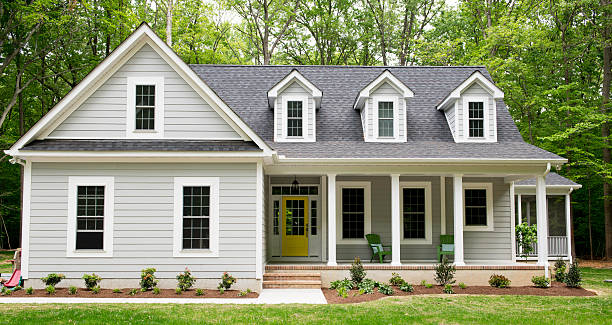
If you want to compare the two, speaking with the metal roofers on the Texas Roofing Specialists team or a trusted local contractor can help you understand how each material fits your home. A metal roof specialist can also explain panel styles, finishes, and installation requirements so you can weigh both options fairly. Neither material is right for every house, and the best choice depends on your budget, roof design, and long-term plans.
Conclusion
Asphalt shingle roofing remains popular with Texas homeowners because it balances cost, appearance, and performance. Three-tab, architectural, luxury, and impact-resistant styles each serve a different need, and the right color and features can help your roof handle sun, wind, hail, and humidity. Asphalt shingles for homes work best when the product, warranty, and installation are chosen with your local climate in mind.
If you want to compare options with trained professionals, metal roofing specialists and shingle installers at Texas Roofing Specialists can answer questions about materials and next steps. To discuss your project, contact Texas Roofing Specialists and ask for guidance on the roofing option that fits your home.