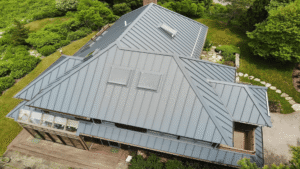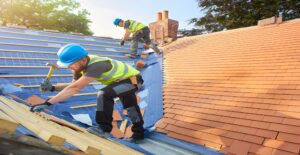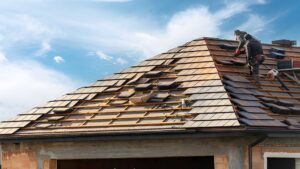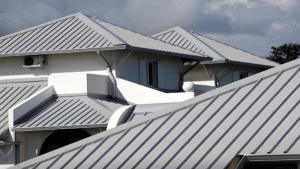
Texas consistently ranks among the most hail-prone states in the country, making roof durability, insurance considerations, and long-term property protection important concerns for homeowners. In North Texas, severe storms, strong winds, and hail are common, creating conditions that can significantly impact roof performance over time. If you’re considering a roof replacement or upgrade, metal roofing in Dallas, TX, is about more than appearance; it’s an investment in durability, energy efficiency, and selecting the right installation team.
This guide explores the best metal roofing systems for Dallas homes, how they perform in local weather conditions, key cost considerations, and how to evaluate metal roofing contractors in Dallas, TX. You’ll also find practical tips, comparative insights, and guidance to help you make an informed decision for both residential and light-commercial metal roofing projects.
Why metal roofing is surging in Dallas in 2026
Metal roofs have moved from “farmhouse chic” to mainstream in Dallas neighborhoods because they solve three local pain points at once: hail exposure, cooling bills, and long-term replacement cycles. The macro trend backs this up. U.S. demand for metal roofing is projected to continue growing through the late 2020s as owners prioritize resilience and energy performance.
Local weather adaptability: what a Dallas roof must withstand
Choosing a metal roof system in Dallas should start with the hazards Dallas actually experiences, not generic national averages. North Texas routinely sees a mix of large hail, straight-line wind, thermal cycling, intense UV, and short-duration heavy rainfall that tests drainage details.
Hail and impact ratings
For hail resilience, prioritize products tested to UL 2218 Class 4. While no roof is “hail-proof,” Class 4 systems can reduce the risk of functional damage, which matters for long-term watertightness and may influence insurance incentives.
Wind uplift and edge detailing
Wind failures often begin at edges, ridges, and transitions, not in the middle of the field. Verify that your contractor is engineering the system for uplift requirements using applicable standards and that they use manufacturer-approved edge metals, fasteners, and spacing schedules.
What “good” warranties look like in practice
Separate the warranty layers: manufacturer material/finish warranty and contractor workmanship warranty. Insist that your contract clarifies what voids coverage.
Pro tip: Ask for the warranty documents before signing, not “after the job is done.” If a contractor can’t produce them upfront, treat it as a risk signal.
Designing for performance: insulation, ventilation, and water management details that matter
Metal roofing delivers its best results in Dallas when it’s treated as part of a whole building envelope. Many “metal roof problems” are actually attic moisture, ventilation imbalance, or poorly executed penetrations.
Ventilation and condensation control
Dallas experiences humid periods, heavy AC use, and temperature swings that can create a risk of condensation if airflow and air sealing are weak. Aim for balanced intake at soffits and exhaust at the ridge, and seal ceiling-plane air leaks (can lights, top plates, attic hatches) before blaming the roof.
Underlayment selection for heat and durability
Premium assemblies often use high-temp-rated underlayments, particularly under standing seam roofs, because surface temperatures can be high. The DOE’s cool-roof guidance shows that roof surfaces can heat up dramatically in the sun, and that underlayment performance under heat cycling is a real durability factor.
Common mistakes to avoid
Most callbacks on Dallas metal roofing projects stem from details, not the metal itself. Use these field-tested pitfalls to protect your investment.
Mistake #1: Choosing the lowest bid with a vague scope
If two bids differ by thousands, the gap is usually underlayment, flashing scope, ventilation upgrades, or labor quality. Require an apples-to-apples scope with named products and diagrams for transitions.
Mistake #2: Mixing dissimilar metals
Avoid copper drainage components coming into contact with steel panels or incompatible fasteners in coastal/industrial micro-environments. Your installer should specify compatible metals and coated fasteners designed for the panel type.
Mistake #3: Letting other trades penetrate the roof without controls
Solar, satellite, HVAC, and gutter crews can accidentally void warranties or create leaks. Add a contract clause requiring the roofing contractor to approve (or perform) any penetrations.
What’s changing in 2026: materials, codes, insurance, and market trends in Dallas
In 2026, metal roofing decisions in Dallas are shaped by four fast-evolving realities: climate volatility, insurer behavior, energy expectations, and product innovation.
Trend 1: resilience-first specifications
After years of billion-dollar U.S. weather disasters, homeowners are prioritizing assemblies that perform under hail and wind. NOAA reports that the U.S. has experienced an increasing frequency of billion-dollar disaster events in recent decades. While year-to-year counts vary, the planning mindset has shifted: “How does this roof reduce my next claim and disruption?” is now a standard buying question.
Trend 2: better coatings and more “cool roof” options
Manufacturers continue expanding high-reflectance colors and durable finishes. As consumers link roof reflectivity to comfort and HVAC runtime, reflective roofing for energy savings has become a mainstream add-on request rather than a niche green upgrade.
Trend 3: solar-readiness and attachment engineering
More homeowners want to keep solar as an option even if they’re not installing it immediately. Standing seam can be solar-friendly because many attachment systems clamp to seams (reducing penetrations), but only if designed correctly. Ask your roofer to specify “solar-ready” pathways and provide guidance on compatible attachments.
Trend 4: light commercial crossover
Many Dallas properties are mixed-use (home + shop + ADU), and owners want a unified exterior. Contractors increasingly bid both metal roofing and Dallas commercial roof scopes together, to ensure the crew has the right experience for each (details differ).
Step-by-step: how to plan a metal roof project in Dallas
If you want a smooth project, minimal change orders, clean warranty handoff, and predictable results, use this workflow.
What if your deck has problems?
Budget for decking replacement allowances. Many older Dallas homes show localized rot at eaves/valleys; a good bid includes a per-sheet replacement price to avoid surprise markups mid-project.
What if you’re staying during installation?
Ask for a “daily watertight plan,” especially if tear-off is involved. Reputable crews sequence removal and dry-in so the home is protected each night.
Conclusion: a smarter, stronger roof for Dallas in 2026
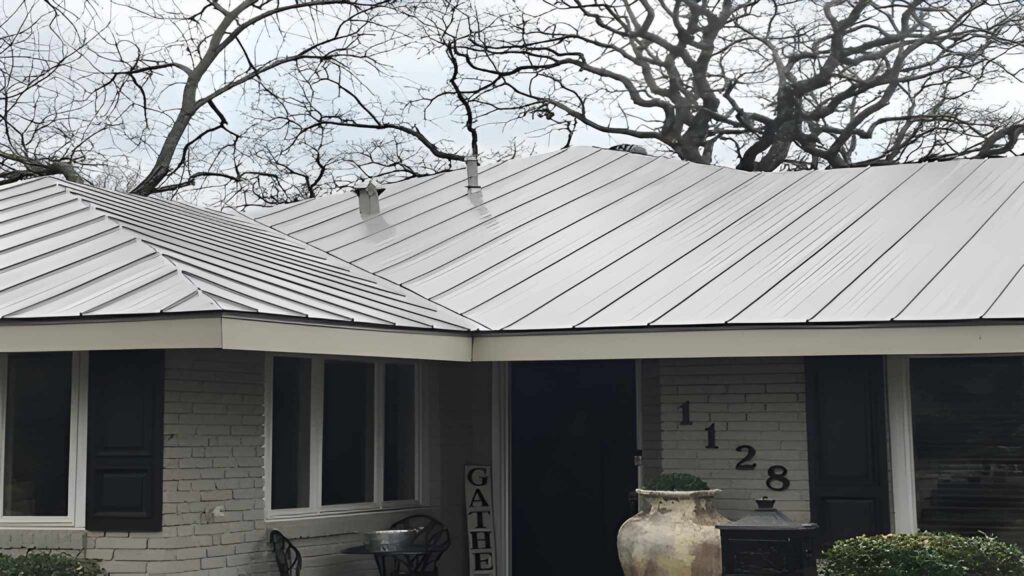
When designed and installed correctly, metal roofing Dallas projects can deliver a rare combination of longevity, storm resilience, and high-end curb appeal, especially valuable in a region known for frequent hail and intense heat.
Next step: Request written proposals from qualified Dallas metal roofing professionals with identical scopes of work, including the roofing system, underlayment, flashing, and ventilation details. Then compare each proposal carefully using the checklist above. If you want, share your roof pitch, square footage, and any neighborhood or HOA requirements, and we can help you identify the most suitable system and bid structure for your specific property.
If you’re ready to explore your options or need expert guidance on selecting the right metal roofing solution, contact us today. Our team can answer your questions, provide professional recommendations, and help you move forward with confidence.