Replacing your roof is a big step. A metal roof installation is one of the best ways to protect your home for years to come. Maybe you had storm damage. Maybe your old shingles are wearing out. Maybe you are just tired of yearly repairs. Either way, knowing what happens at each step helps you feel ready.
Many homeowners put off this decision because the process feels confusing. Questions come up fast. How long will it take? Will the crew find hidden damage? What happens to your warranty if something goes wrong? These are fair concerns, and most of them have simple answers once you understand the steps involved.
Looking for local help already? A trusted Metal Roofing Contractor in Keller TX can guide you through the process from day one.
Why Homeowners Choose Metal Roofing
Asphalt shingles last about 15 to 20 years. A good metal roof can last 40 to 70 years. That is a big difference. Metal roofs also reflect heat. This can lower your cooling bills, especially in the hot Texas summers. They need less upkeep too. You will not deal with cracked shingles or granule loss year after year.
Weight is another plus. Metal panels are much lighter than tile or heavy shingles. This puts less strain on your roof frame over time.
Fire resistance is a big factor for many homeowners too. Metal does not burn like wood shakes or asphalt can. This can even help lower your home insurance costs in some areas.
Storm season brings extra peace of mind as well. Metal roofs handle high wind and hail better than most other materials. Many systems carry strong wind ratings, which matters a lot in North Texas weather.
Some homeowners also like the resale value. A new metal roof can boost your home’s value and make it more appealing to future buyers, since they know they will not need a roof replacement anytime soon.
Step 1: The First Roof Inspection
Every metal roof installation starts with a close look at your roof. A good contractor checks:
The roof deck and frame
Any signs of water damage or rot
Attic airflow and insulation
Roof slope and shape
Local permit rules
This step shows if repairs are needed first. It also helps pick the best system for your home and budget.
Ask questions here. Not all roofers know metal roofing the way they know shingles.
Step 2: Pick the Right Panel Type
Metal roofing comes in a few styles. Each one changes how your roof looks and how it gets installed.
Standing Seam Panels
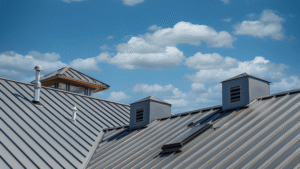
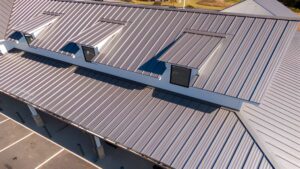
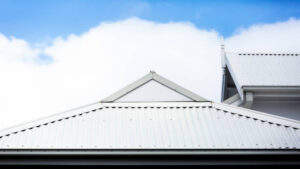
These panels have raised seams that lock together. The fasteners stay hidden. They look clean and hold up well in storms. They cost more due to the skill needed to install them.
Corrugated and Ribbed Panels
These use exposed screws. They cost less and go up faster. You will see them on garages and many homes too.
Metal Shingles and Tiles
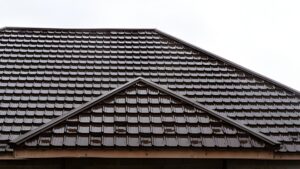
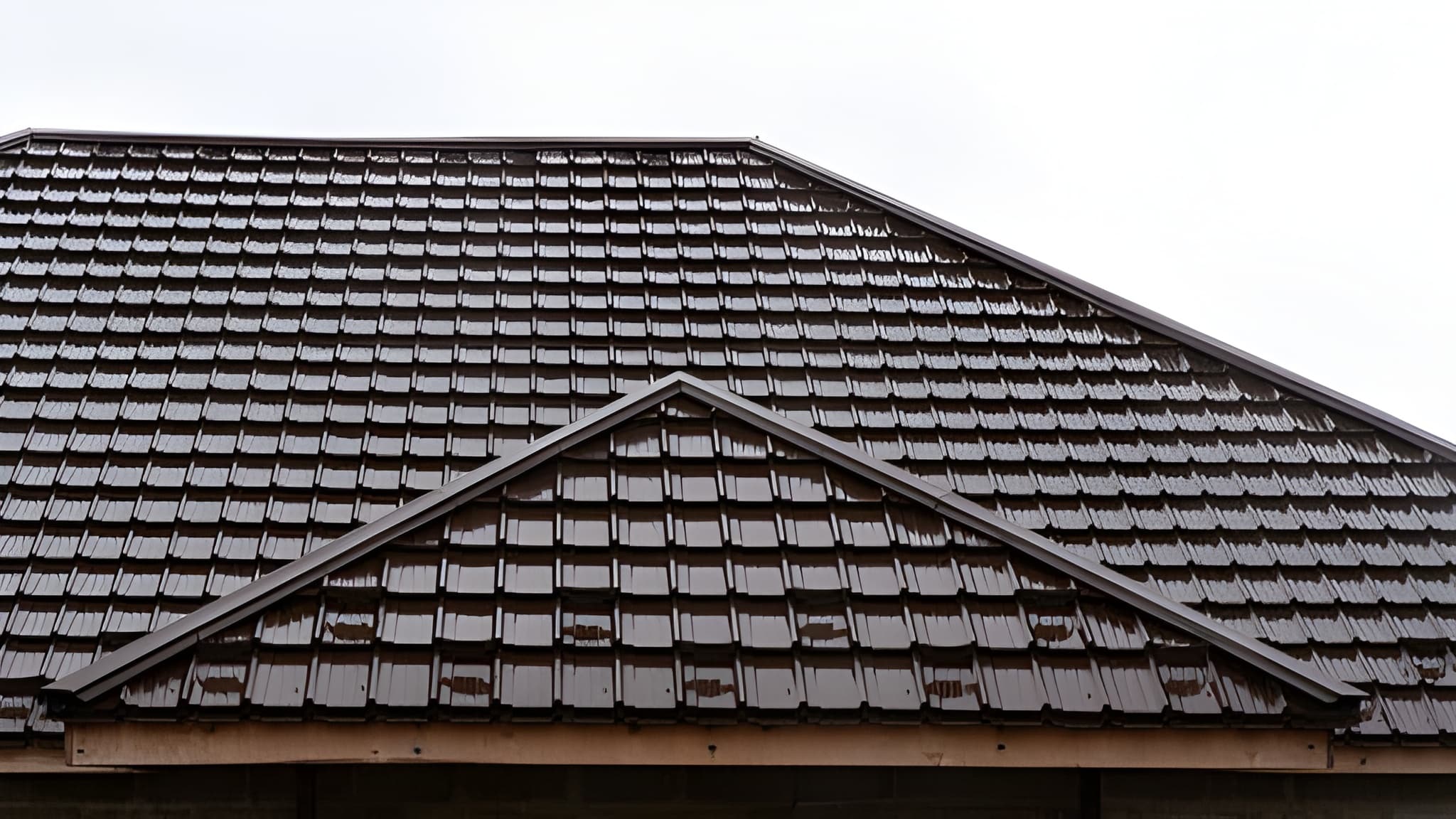
These look like normal shingles or tile. But they carry the strength of steel or aluminum underneath.
Your contractor should explain each option. This helps before you commit to metal roofing installation.
Step 3: Get the Roof Deck Ready
Once you pick materials and get permits, the real work starts.
Sometimes new panels can go over an old roof. But often the old material comes off first. This lets the crew check the deck below.
Any weak or damaged wood gets replaced now. Skipping this step often leads to leaks later.
Next, the crew adds a moisture barrier across the deck. This layer keeps your home safe even if water gets past the metal panels.
Step 4: Add Flashing and Trim
Before the panels go up, the crew installs flashing. This goes around chimneys, vents, and skylights. Edge trim goes along the roof line too.
Most leaks start at these spots, not on flat panel areas. This makes flashing one of the most important steps in the whole job.
Homes across North Texas trust the metal roofers who get this step right the first time.
Step 5: Install the Panels
Now the deck is ready. It is time for the metal panels.
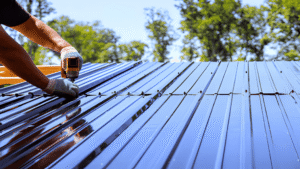
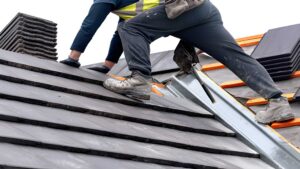
Standing seam panels use hidden clips. These let panels shift with heat and cold without damage. Exposed fastener panels get screwed straight into the deck with sealed screws to block water.
Crews line up panels from one end to the other. Depending on roof size, this step can take a few days or up to a week.
Step 6: Final Trim and Cleanup
Once the panels are in place, the crew adds ridge caps and trim pieces. They also check the attic vents again. Poor airflow can wear down any roof over time.
After that, the crew cleans up. Good crews use magnets to pick up loose nails from your yard and driveway.
Step 7: Final Walkthrough
The last step is a full check. Your contractor looks over seams, screws, and flashing before handing the job to you. Many cities also require a permit check before the job closes out.
Why Certified Installers Matter
This part gets missed a lot. Certified installers get trained by the panel maker. This often affects your warranty.
Long warranties usually apply only when the install follows the maker’s exact rules. One mistake by an uncertified crew can void your warranty. This is why it pays to check a contractor’s background, not just their price.
Metal Roof Warranties Explained
Metal roofs usually come with two kinds of warranty.
Material warranties cover panel defects, like early rust. These often run 20 to 50 years.
Workmanship warranties cover the install itself. They protect you if leaks happen due to crew error. These run shorter, often 2 to 10 years, and change by contractor.
Ask your contractor to explain both clearly. A trusted metal roof specialist will walk you through this in plain terms.
What Affects the Cost
A few things drive the price up or down:
Panel type, like steel, aluminum, or copper
Panel style, standing seam or exposed screw
Roof size and shape
Old roof removal
Deck repairs
Local labor rates
Get a written estimate. This helps you avoid surprise costs later. Ask for a split between labor and material costs too.
How to Pick a Roofing Contractor
A search for metal roofing near me brings up a long list. A few checks make the choice easier.
Years of hands-on metal roofing work
Maker certifications
Reviews from past metal roof clients
Proper license and insurance
Clear talk about warranty terms
Looking for a solid keller roofing company? Find a crew that knows both standing seam and exposed screw systems well. A good team of keller tx roofers will lay out your options before any work begins.
If the crew finds deck damage once the old roof comes off, a fair roofing keller tx team will tell you right away, not add costs at the end.
Across the wider area, known metal roofing specialists often give better results than general roofers. Teams that focus on metal roof texas jobs know local wind rules and weather better. Comparing options for metal roofing in texas? Talk to two or three teams before you pick one. This helps you weigh price, service, and skill side by side.
Get Your Home Ready
A little prep goes a long way. Try this before work starts:
Move cars away from the driveway
Trim tree limbs near the roof
Move outdoor furniture out of the way
Tell your crew about fragile items in the attic
Expect some noise during work hours
Most crews give you a checklist ahead of time. Share any concerns early to avoid delays.
Conclusion
A metal roof installation is a big investment, but knowing each step helps you feel ready. From the first inspection to the final check, each stage shapes how well your roof will hold up.
Take time to find a good roofing contractor. Ask about warranty terms. Get a clear timeline before you sign anything. Ready to move forward with installing a metal roof? Contact us today to set up a visit and get a clear plan for your home.