When homeowners start researching roofing options, one question comes up more than almost any other: what is the lifespan of a metal roof compared to traditional shingles. The honest answer is that it depends on several variables working together, from the material and gauge of the panels to how the roof was installed and how it holds up against Texas weather over time.
This guide breaks down the ten factors that most influence how long a metal roof lasts, compares steel metal roofing against other materials, and looks at what warranty coverage can and cannot tell you about durability. If you are weighing a new installation or planning ahead for a replacement, understanding these factors will help you make a more informed decision, whether you are searching for metal roofing near me or comparing quotes from multiple contractors.
How Long Does a Metal Roof Really Last?
Under normal conditions and with correct installation, most metal roofing systems are built to last several decades, often well beyond the lifespan of a standard asphalt shingle roof. The actual number varies significantly based on the material chosen, the thickness of the panels, the quality of the protective coating, and how well the roof is maintained over time.
Manufacturers typically back their products with warranties ranging from twenty years to lifetime coverage, though warranty length alone is not a complete measure of durability. A roof can technically be covered by a long warranty and still underperform if it was poorly installed or exposed to conditions the material was not designed to handle.
10 Factors That Determine the Lifespan of a Metal Roof
1. Material Type
The base metal used in a roofing system has a major impact on how long it lasts. Galvanized and galvalume steel are the most common choices for residential steel metal roofing in Texas, offering a strong balance of durability and cost. Aluminum resists corrosion particularly well and is often chosen in coastal or high humidity areas. Copper and zinc roofing systems can last significantly longer than steel or aluminum, but they come at a considerably higher price point and are less commonly used on standard residential projects.
2. Panel Gauge and Thickness
Panel gauge refers to the thickness of the metal, and it directly affects how well a roof resists dents, wind uplift, and general wear over time. Lower gauge numbers indicate thicker, more durable metal. Homeowners comparing quotes should ask specifically about panel gauge, since two roofs that look similar on the surface can have meaningfully different long term performance based on this single specification.
3. Coating and Finish Quality
The paint or coating applied to metal panels protects the base material from UV exposure, moisture, and corrosion. High quality finishes, such as PVDF based coatings, are formulated to resist fading, chalking, and film breakdown far longer than lower grade paint systems. Since Texas sees a high number of sun exposure hours annually, coating quality plays an outsized role in how long the roof retains both its appearance and its protective properties.
4. Underlayment Quality
Underlayment is the material installed beneath the metal panels that provides a secondary barrier against moisture. Synthetic underlayments generally outperform older felt based products in terms of durability and resistance to tearing. A high quality underlayment can meaningfully extend the effective life of the roofing system by protecting the decking even if the top layer is ever compromised.
5. Installation Quality and Workmanship
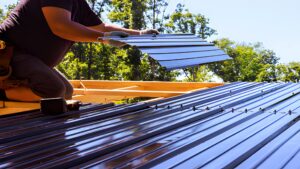
Even the best materials will underperform if installation is done incorrectly. Improper panel overlap, incorrect fastener spacing, poor flashing details around penetrations, and inadequate sealing at seams are common installation errors that can lead to premature leaks or corrosion. This is one of the biggest reasons that choosing an experienced metal roofing contractor matters as much as choosing the material itself.
6. Fastener Type: Exposed vs Concealed
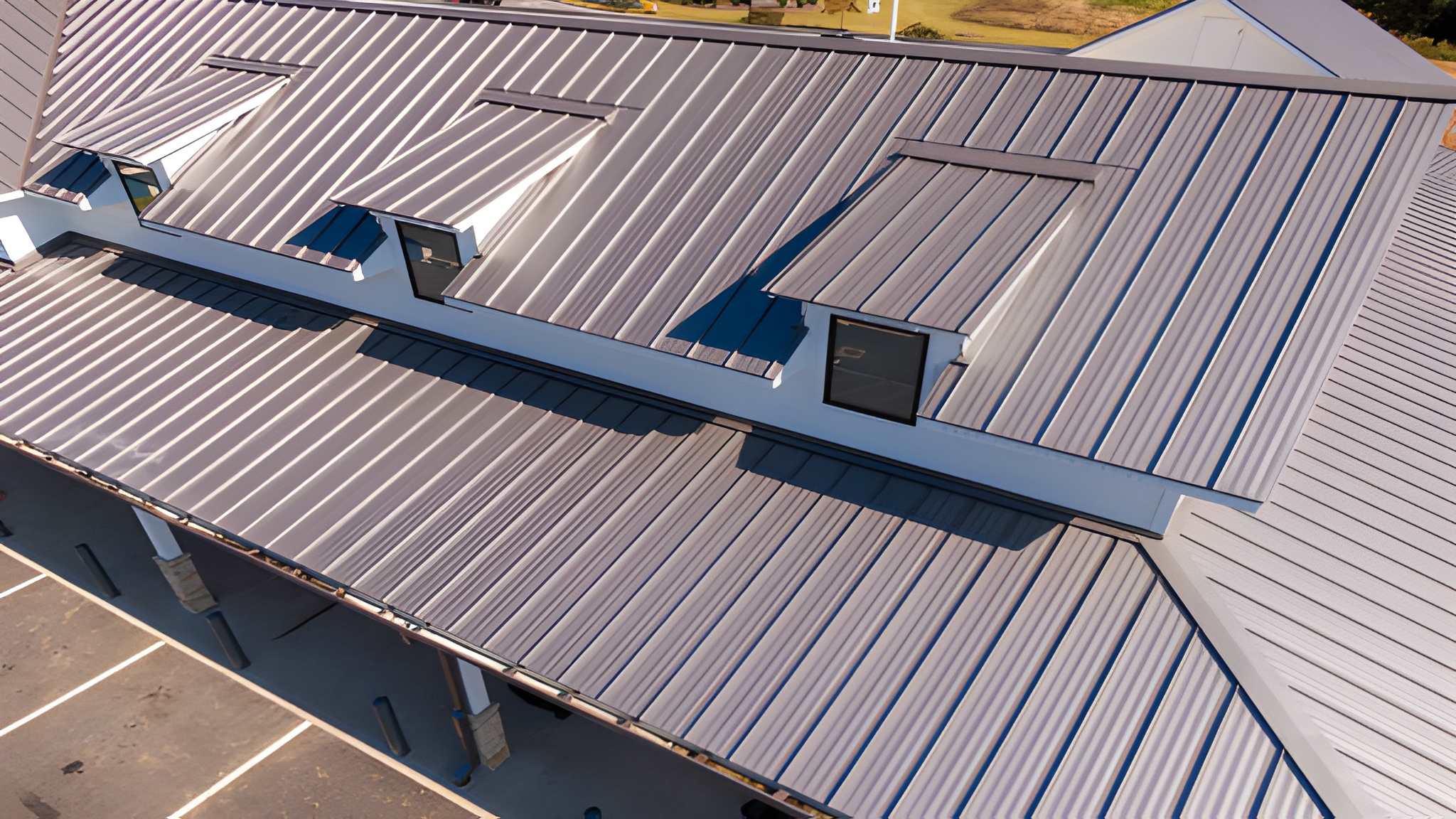
Metal roofing systems generally use either exposed fasteners, which are visible on the surface of the panel, or concealed fasteners, which are hidden beneath the panel seams. Concealed fastener systems, common in standing seam roofing, tend to last longer because the fastener points are not directly exposed to weather and are less prone to the gasket degradation that can eventually cause exposed fasteners to leak.
7. Roof Pitch and Drainage
The slope of a roof affects how efficiently water sheds off the surface. Roofs with steeper pitches generally drain faster, reducing the amount of time water sits on the panels or pools near seams and flashing points. Low slope applications require specific panel profiles and sealing methods designed for reduced drainage, and using the wrong system on a low slope roof can shorten its effective lifespan considerably.
8. Climate and Weather Exposure
Texas weather varies significantly by region, and each pattern places different demands on a roof. Hail is a major consideration across much of North and Central Texas, and panel gauge along with impact resistance ratings become particularly important in these areas. Coastal regions face salt air and humidity that accelerate corrosion if the wrong material or coating is used. Extreme heat across the state accelerates the breakdown of lower quality coatings and sealants over time. Choosing a system rated for your specific region’s weather patterns is one of the most important lifespan factors homeowners can control.
9. Ventilation and Attic Conditions
Proper attic ventilation helps regulate temperature and moisture beneath the roofing system. Excess heat and trapped moisture in an attic space can affect the decking and underlayment over time, even if the metal panels themselves are performing well. A roofing system that is well ventilated tends to experience less stress on its underlying components, which supports a longer overall service life.
10. Maintenance and Inspections
Metal roofing requires relatively low maintenance compared to other materials, but it is not maintenance free. Periodic inspections to check for loose fasteners, damaged sealant, debris buildup, or minor scratches in the coating can catch small issues before they become larger problems. Homeowners who schedule occasional professional inspections, particularly after severe storms, tend to get closer to the maximum expected lifespan from their roofing system.
Warranty Coverage and What It Tells You About Lifespan
Manufacturer warranties typically cover two separate things: the structural integrity of the panel itself and the performance of the paint or coating finish. It is worth reading warranty documents carefully, since coating warranties often have different terms than structural warranties, and both may include conditions related to coastal proximity, industrial exposure, or specific maintenance requirements.
Installation warranties, offered separately by the contractor rather than the manufacturer, cover workmanship issues such as leaks caused by improper installation. A strong warranty package generally includes both manufacturer coverage on materials and a separate workmanship warranty from the installer, since each protects against a different type of failure.
Finding a Metal Roofing Contractor Near You
Because installation quality has such a direct impact on how long a metal roof lasts, choosing the right contractor is one of the most important decisions in the process. Homeowners in the Colleyville area looking for a Metal Roofing Contractor in Colleyville TX can get guidance on panel selection, impact ratings suited to the area, and realistic project timelines. If you need roof repair Colleyville TX after storm damage, working with a contractor familiar with local weather patterns and permitting requirements tends to produce better long term results than a one size fits all approach.
When searching for metal roofing close to me, it helps to ask each contractor about their experience specifically with metal systems, since installation techniques differ from asphalt shingle work in ways that directly affect lifespan. Ask about panel gauge options, underlayment type, fastening method, and whether they offer a separate workmanship warranty in addition to manufacturer coverage.
Beyond Colleyville, homeowners across the state comparing a broader texas metal roofing provider should look for a company with documented experience across different climate zones, since a metal roofing specialists team familiar with both hail prone and coastal regions will be better equipped to recommend the right material and coating combination for your specific property.
Metal Roof Replacement Cost and Installation Cost Considerations
Understanding cost alongside lifespan helps homeowners evaluate long term value rather than just upfront price. Metal roof replacement cost varies based on panel material, gauge, roof size, pitch, and whether the existing roof needs to be removed before installation. Metal roofing installation cost also depends on labor rates in your specific area and any additional work needed, such as decking repair or ventilation upgrades.
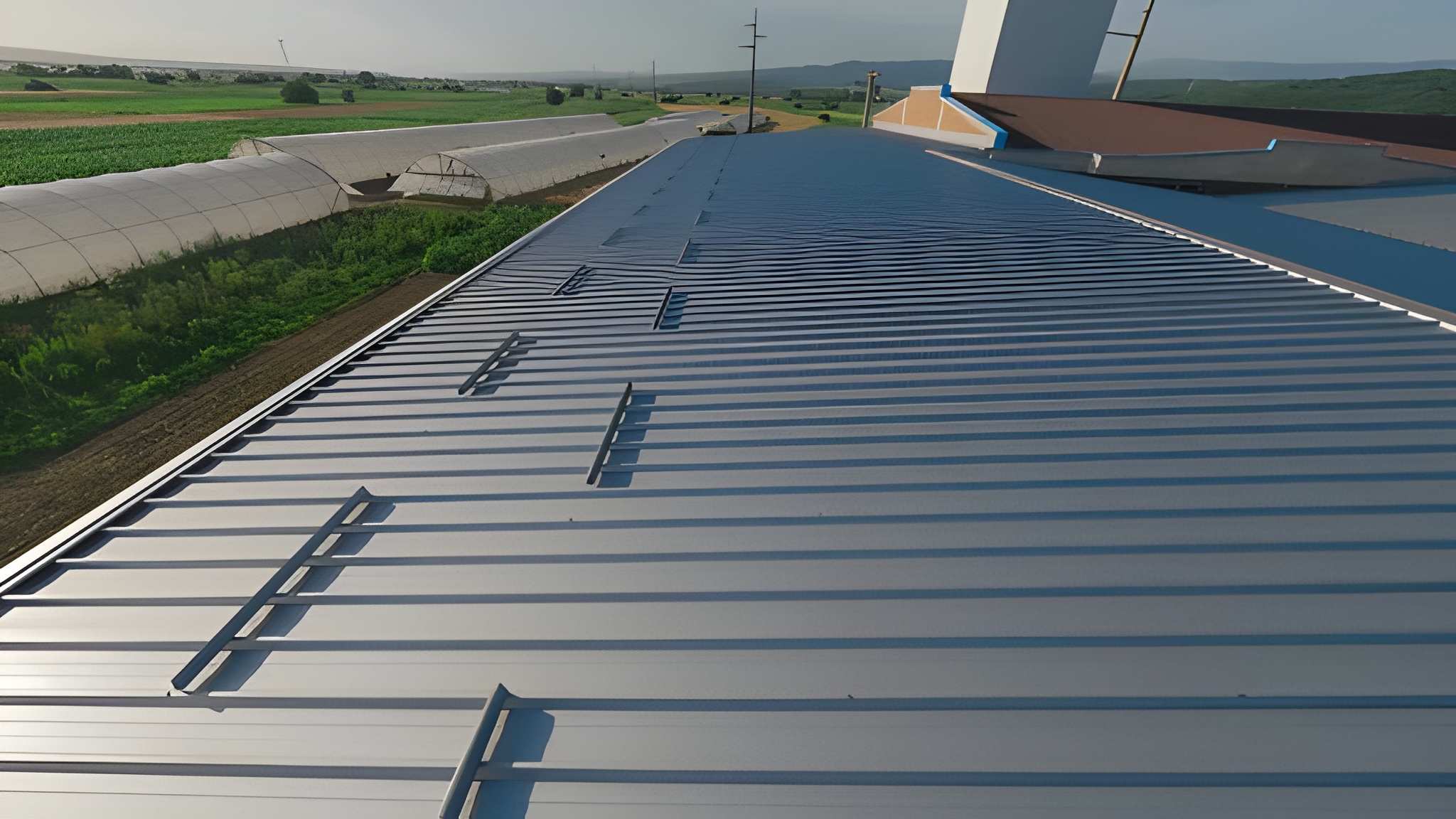
While metal roofing typically carries a higher upfront cost than asphalt shingles, its longer service life and lower maintenance needs often make it a stronger long term value, particularly in a state where extreme heat and severe weather shorten the practical lifespan of lower cost materials. Getting an itemized estimate that separates material, labor, and any additional scope of work makes it easier to compare quotes accurately between contractors.
Maintenance Tips to Maximize Lifespan
A few simple habits can help homeowners get closer to the maximum expected lifespan from their roofing system.
Schedule a visual inspection at least once a year, and after any major hail or wind event.
Keep gutters and valleys clear of leaves and debris to prevent water from pooling near seams.
Check sealant around penetrations such as vents and chimneys periodically, since sealant tends to wear before the metal itself.
Avoid walking on the roof unnecessarily, since foot traffic can scratch coatings or dent panels if not done carefully.
Trim overhanging tree branches that could scrape the surface or drop debris during storms.
These steps are relatively low effort compared to the maintenance asphalt shingle roofs typically require, but they still play a meaningful role in long term performance.
Conclusion
The lifespan of a metal roof depends on a combination of factors working together, including material choice, panel gauge, coating quality, installation workmanship, and how well the system is matched to local weather conditions. In Texas, where hail, heat, humidity, and wind all place different demands on a roof depending on the region, matching the right material and specification to your specific location is one of the most important decisions a homeowner can make. Combined with correct installation and routine maintenance, a well specified metal roofing system can provide decades of reliable performance.
If you are planning a new installation or considering a replacement and want a clear picture of the right material, panel gauge, and coating for your property, reach out to discuss your specific needs and get an accurate assessment. Contact Texas Roofing Specialists for a consultation on your roofing project.