Choosing a new roof is one of the biggest investments a homeowner can make. If you are comparing metal roof vs shingles, you are not alone. Many Texas homeowners want a roofing material that can handle extreme heat, severe storms, hail, and changing weather while providing lasting value.
Both asphalt shingles and metal roofing service have their strengths. Asphalt shingles remain one of the most commonly installed roofing materials because of their lower upfront cost. Metal roofs, however, have become increasingly popular due to their exceptional durability, energy efficiency, and longer lifespan.
For homeowners looking at long-term performance rather than just initial installation costs, understanding the differences between these roofing systems is essential. This guide compares asphalt shingles vs metal roof across every important factor including lifespan, maintenance, storm resistance, energy efficiency, insurance benefits, installation, and return on investment.
Understanding Metal Roofing
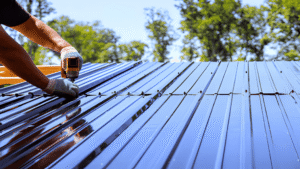
Metal roofing refers to roofing systems manufactured from steel, aluminum, copper, or zinc. Residential homes in Texas most commonly use coated steel because it offers durability and corrosion resistance.
Modern metal roofing comes in several profiles, including:
Standing Seam Metal Roof
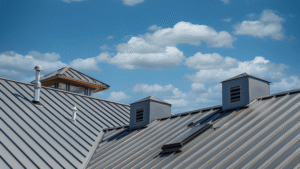
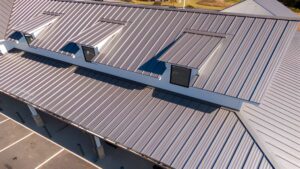
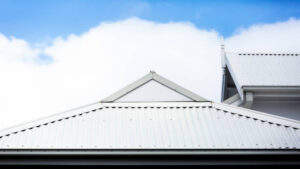
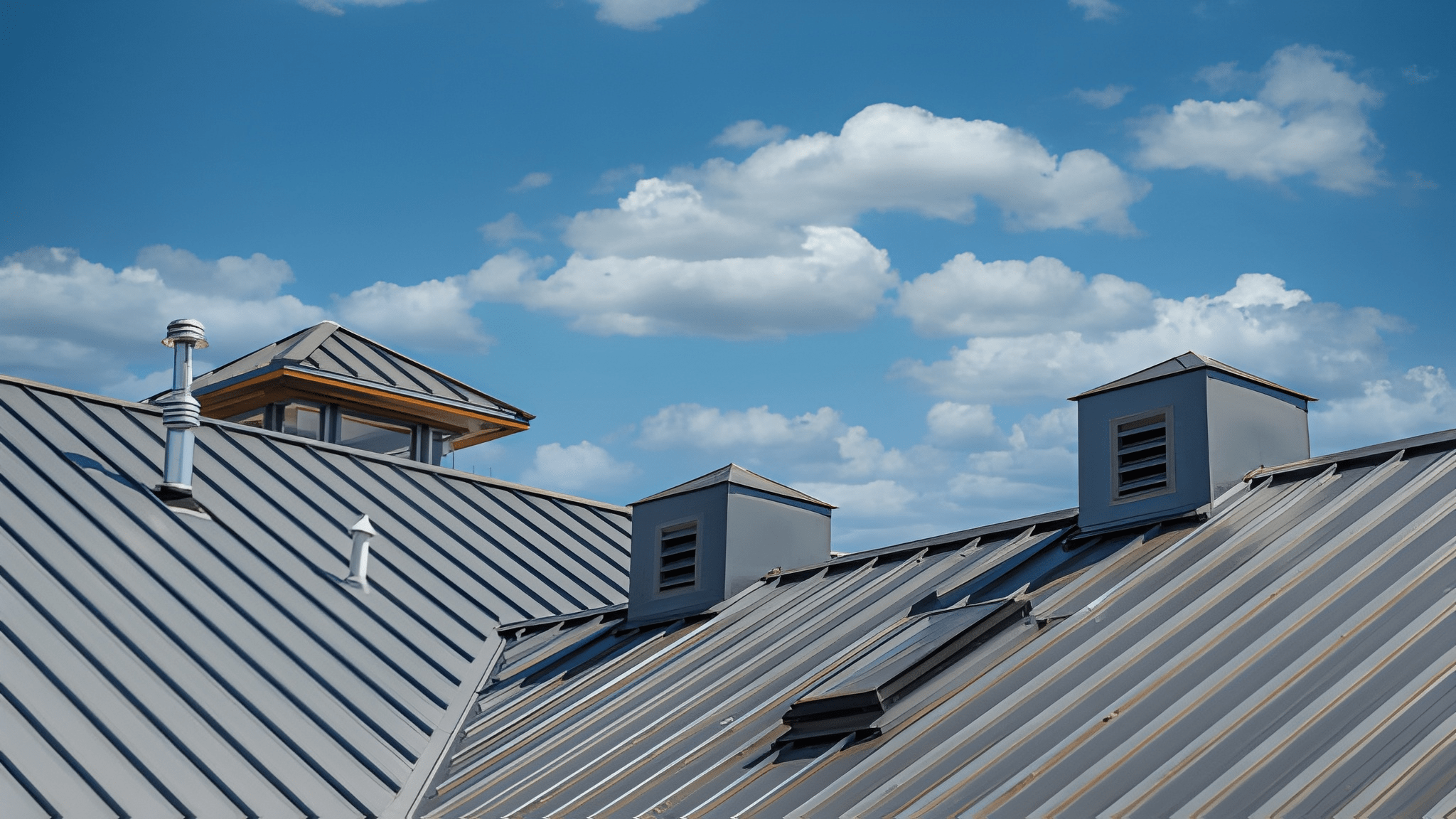
A standing seam metal roof features raised vertical seams that conceal the fasteners. This design improves water resistance while providing a clean, contemporary appearance.
Benefits include:
Excellent weather protection
Minimal maintenance
Superior wind resistance
Long service life
Modern architectural appeal
Many Texas homeowners choose standing seam systems because they perform exceptionally well during severe weather.
Metal Shingles
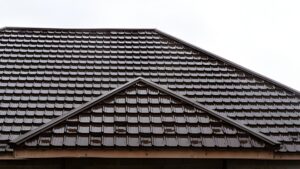
Metal shingles replicate the appearance of slate, cedar shake, or traditional shingles while delivering the advantages of metal construction.
Corrugated Panels
Corrugated metal panels remain popular for rural homes, barns, workshops, and certain residential applications where durability is the primary goal.
If you’re exploring metal roofing options residential homeowners commonly select, understanding these profiles can help narrow your decision. Learn more about residential metal roofing solutions available for Texas homes.
Understanding Asphalt Shingles
Asphalt shingles are made from fiberglass mats coated with asphalt and mineral granules.
Common varieties include:
Three-Tab Shingles
These are the most economical option and typically have shorter lifespans.
Architectural Shingles
Architectural shingles are thicker, more durable, and offer improved aesthetics compared to basic three-tab shingles.
Premium Designer Shingles
These mimic natural materials while providing enhanced durability and appearance. Although asphalt shingles dominate the residential market, their performance varies significantly depending on weather conditions.
Metal Roof vs Shingles: Lifespan Comparison
When evaluating metal roof vs shingles, lifespan is often the deciding factor.
Metal Roofing Lifespan
Most residential metal roofs last:
40 to 70 years
Some premium systems exceed 70 years
Paint finishes often include warranties of 30 years or more
Proper installation and maintenance allow metal roofs to withstand decades of Texas weather.
Asphalt Shingle Lifespan
15 to 20 years for standard shingles
20 to 30 years for premium architectural shingles
Extreme heat, UV exposure, hail, and heavy storms can shorten their expected life.
Weather Performance in Texas
Texas weather presents unique roofing challenges.
These include:
High temperatures
Strong UV exposure
Hail storms
Tornadoes
High winds
Heavy rain
Occasional freezing conditions
Heat Resistance
Metal reflects much of the sun’s heat. This helps reduce roof surface temperatures and may improve indoor comfort during Texas summers. Asphalt shingles absorb more heat, which can contribute to higher attic temperatures.
Wind Resistance
A professionally installed standing seam metal roof often withstands winds exceeding 140 mph depending on the system. Architectural shingles generally perform well but may become damaged or detached during severe storms.
Hail Resistance
Many metal roofing products achieve high impact ratings. While dents may occasionally occur during extremely large hail events, metal roofing typically maintains structural integrity. Asphalt shingles are more susceptible to granule loss, cracking, and punctures.
How Metal Roofing Improves Efficiency
Reflective coatings reduce solar heat absorption.
Benefits may include:
Cooler attic temperatures
Reduced HVAC workload
Improved indoor comfort
Lower cooling costs
Some ENERGY STAR certified products provide even greater efficiency.
Asphalt Shingles
Traditional dark shingles absorb substantial heat. Lighter-colored shingles perform better but generally do not match the reflectivity of metal systems.
Appearance and Design Options
Many homeowners mistakenly believe metal roofs only suit commercial buildings.
Today’s metal roofs for homes come in numerous styles and colors.
Available options include:
Matte finishes
Textured finishes
Traditional panels
Standing seam profiles
Metal shingles
Wood-look finishes
Slate-look finishes
Homeowners researching residential metal roofing options often discover designs that complement both traditional and modern architecture.
Meanwhile, asphalt shingles also offer a wide variety of colors and profiles, making them suitable for many residential styles.
Installation Differences
Installation quality directly affects roof performance regardless of material.
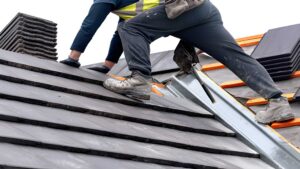
Metal Roofing Installation
Requires:
Specialized tools
Precision measurements
Experienced installers
Proper fastening techniques
Installation generally takes longer but produces a highly durable system.
Asphalt Shingle Installation
Usually:
Faster
Less complex
Lower labor costs
However, workmanship remains critical for preventing future leaks.
Insurance Considerations
Insurance companies evaluate roofing materials differently.
Some insurers offer premium discounts for impact-resistant metal roofs because they are less likely to sustain storm damage.
Discount availability depends on:
Location
Roof rating
Insurance provider
Local weather history
Homeowners should consult their insurance company before selecting roofing materials.
Metal Roofing
Benefits include:
Often manufactured using recycled materials
Fully recyclable at the end of service life
Long lifespan reduces replacement frequency
Asphalt Shingles
Although recycling programs continue to expand, many asphalt shingles still end up in landfills after replacement.
Cost Comparison
Many buyers focus only on installation cost. However, total ownership cost tells a different story.
Initial Investment
Asphalt shingles generally cost less upfront. Metal roofing requires a larger initial investment.
Long-Term Costs
Metal roofing may reduce expenses through:
Longer lifespan
Lower maintenance
Improved energy efficiency
Fewer replacements
Potential insurance savings
For homeowners planning to remain in their homes for many years, metal often delivers stronger long-term value.
Metal Roof vs Shingles: Return on Investment
Return on investment depends on several factors.
Metal roofs may provide value through:
Increased durability
Enhanced curb appeal
Lower maintenance
Longer replacement cycle
Potential energy savings
Although asphalt shingles require less upfront investment, homeowners may eventually pay for multiple roof replacements over the lifespan of a single metal roof.
Which Roofing Material Performs Better in Different Situations?
Choose Metal Roofing If You Want
Maximum durability
Long-term savings
Better storm resistance
Lower maintenance
Improved energy efficiency
Modern appearance
Many homeowners researching metal roofing for residential houses prioritize these benefits. If you are considering residential steel roofing, you can explore available systems through Texas Metal Roofing to understand which options best suit your property.
Choose Asphalt Shingles If You Want
Lower initial cost
Faster installation
Traditional appearance
Easier short-term budgeting
Is a Standing Seam Metal Roof Worth It?
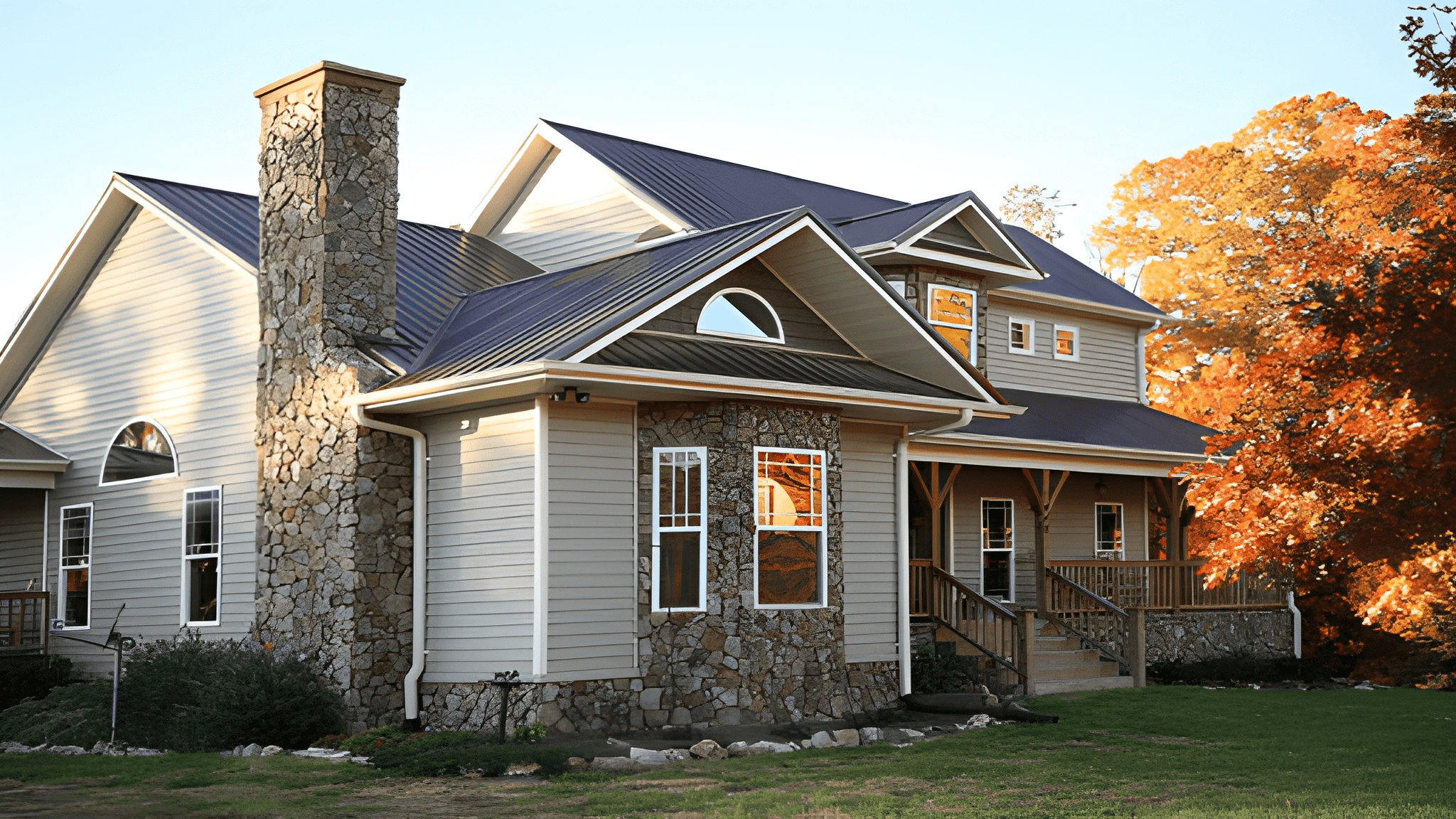
Among all metal roofing systems, the standing seam metal roof is often regarded as one of the most durable options available.
Its concealed fastener design reduces the likelihood of water intrusion while allowing thermal movement during seasonal temperature changes.
Benefits include:
Minimal maintenance
Excellent weather protection
Modern appearance
Long lifespan
Strong wind resistance
Although installation costs are generally higher, many homeowners view standing seam systems as a long-term investment.
Choosing the Right Roofing Contractor
Even the best roofing material performs poorly if installed incorrectly.
When selecting a contractor, consider:
Proper licensing
Insurance coverage
Experience with metal roofing
Manufacturer certifications
Customer reviews
Written estimates
Warranty information
If you are planning a roofing project and need professional guidance, you can contact Texas Roofing Specialists to discuss your roofing requirements and available options.
Common Myths About Metal Roofing
Myth 1: Metal Roofs Are Noisy
Modern installation methods include solid decking and insulation that significantly reduce noise levels.
Myth 2: Metal Roofs Attract Lightning
Metal does not increase the likelihood of lightning strikes. In fact, metal roofing is non-combustible and safely disperses electrical energy if struck.
Myth 3: Metal Roofs Rust Quickly
Today’s coated steel roofing products are specifically engineered to resist corrosion and weather exposure.
Conclusion
When comparing metal roof vs shingles, there is no universal answer for every homeowner. Asphalt shingles remain a practical choice for those prioritizing lower upfront costs and shorter-term ownership. However, for Texas homeowners seeking exceptional durability, lower maintenance, improved energy efficiency, and stronger long-term value, metal roofing stands out as a compelling investment.
A standing seam metal roof offers outstanding weather resistance, while other residential metal systems provide a wide range of styles to suit different architectural designs. Although the initial investment is higher, the extended lifespan and reduced maintenance often make metal roofing a cost-effective solution over time.
Ready to Explore the Best Roofing Option for Your Texas Home?
Before making your final decision, consider your budget, how long you plan to stay in your home, your local weather conditions, and your long-term maintenance expectations. Every home has unique roofing needs, and choosing the right material can make a significant difference in durability, energy efficiency, and overall value. Contact us today to schedule a consultation, discuss your roofing project, or get answers to your questions.