Metal roofing has become one of the most popular choices for homeowners and commercial property owners across Texas, and for good reason. It offers strong resistance to wind, hail, and fire, along with a lifespan that generally outperforms asphalt shingles by a wide margin. But the actual lifespan of a metal roof is not a fixed number. It depends heavily on the local climate, the quality of installation, the type of coating used, and how consistently the roof is maintained over time.
For property owners researching metal roofing near me in Texas, understanding these variables is more useful than a single average lifespan figure, since Texas weather conditions vary significantly by region and can accelerate or slow down wear depending on how a roof was built and cared for. This guide breaks down exactly what determines how long a metal roof will last in Texas, from material selection to ongoing maintenance practices, and where texas metal roofing services fit into that process.
Why Texas Heat Affects Metal Roof Longevity
Texas experiences some of the highest sustained summer temperatures in the country, and this heat has a direct impact on how a metal roof performs over its lifespan.
Thermal Expansion and Contraction
Metal roofing panels expand slightly in high heat and contract as temperatures drop at night or during cooler months. This constant cycle of expansion and contraction, repeated daily across years of Texas summers, places stress on fasteners, seams, and panel connections. A properly installed roof accounts for this movement through correctly spaced fasteners and expansion allowances, but a poorly installed roof can develop loosened fasteners or seam separation over time as a result of this thermal cycling.
Reflective Coatings and Heat Management
Many metal roofing systems in Texas are installed with reflective coatings designed to reduce heat absorption. These coatings not only help lower cooling costs for the building beneath the roof but also reduce the intensity of thermal cycling by keeping the panel surface temperature lower during peak sun exposure. Roofs without reflective coatings tend to run hotter, which can accelerate coating breakdown and reduce overall lifespan in Texas’s climate compared to cooler regions of the country.
How Hail Impacts Metal Roofing in Texas
Texas sits within a region that experiences frequent and sometimes severe hailstorms, particularly in North Texas and the surrounding areas. Hail is one of the more significant factors affecting metal roof longevity in this state, and it is a topic the team at metal roof specialties is regularly asked about by property owners after a storm.
Denting and Surface Damage
While metal roofing is generally more hail resistant than asphalt shingles, large hail can still cause denting, particularly on thinner gauge panels. Denting is often cosmetic rather than structural, but repeated impacts over the years can weaken protective coatings in affected areas, exposing the underlying metal to moisture and accelerating corrosion in those specific spots.
Gauge Thickness Matters
Metal roofing panels come in different gauge thicknesses, and thicker gauge panels generally hold up better against hail impact. For property owners in hail prone areas of Texas, choosing a heavier gauge panel during installation can meaningfully extend the roof’s practical lifespan by reducing the likelihood of coating damage from hail strikes.
Impact Resistance Ratings
Some metal roofing products carry a Class 4 impact resistance rating, the highest classification available, which indicates the material has been tested to withstand significant hail impact without cracking or splitting. Choosing a product with this rating is worth discussing directly with a metal roofing contractor familiar with Texas hail patterns before installation begins.
Installation Quality: The Single Biggest Factor in Metal Roof Lifespan
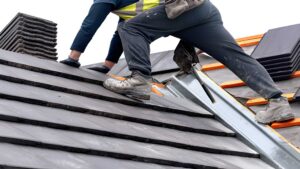
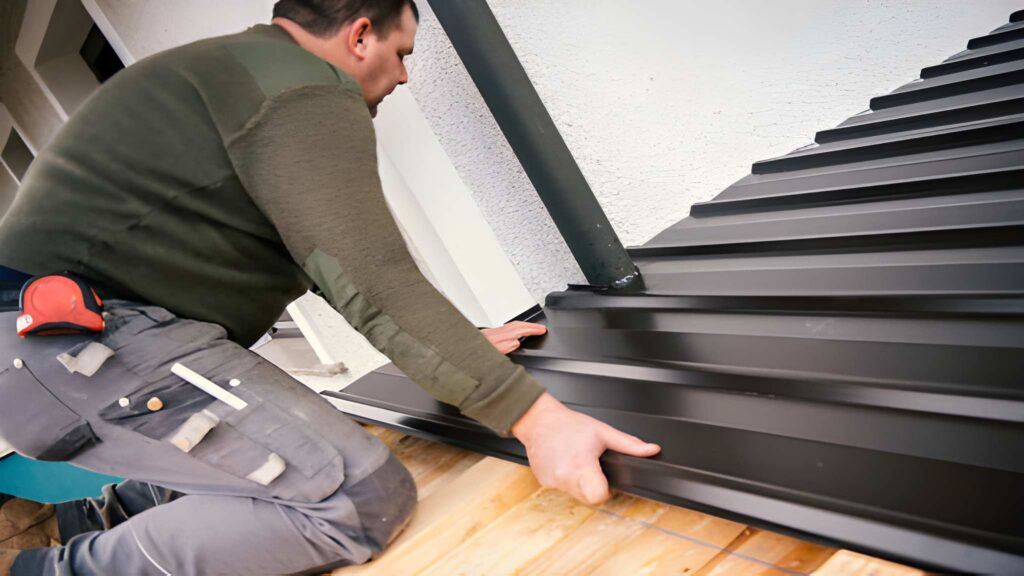
More than any single material choice, installation quality determines whether a metal roof reaches its full expected lifespan. Even the highest quality steel metal roofing panels will underperform if installed incorrectly.
Common Installation Issues That Shorten Lifespan
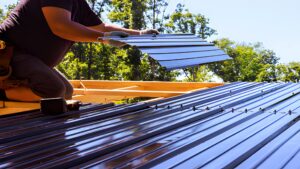
Incorrect fastener spacing, which can lead to loosening under thermal stress
Improper panel overlap, which allows water intrusion at seams
Inadequate underlayment, which fails to provide a secondary moisture barrier if the metal surface is compromised
Poor flashing around penetrations such as vents, skylights, and chimneys
Failure to account for proper drainage slope, leading to water pooling in low areas
Working with an experienced metal roofing contractor who understands Texas specific conditions, including heat cycling and hail exposure, significantly reduces the risk of these installation issues. A roof installed correctly the first time avoids many of the premature failures that shorten lifespan on poorly executed projects.
The Role of Coatings and Finishes
Protective coatings play a major role in how well a metal roof resists corrosion, UV degradation, and general wear over decades of Texas weather exposure.
Common Coating Types
Galvanized coating: A zinc coating applied to steel that provides basic corrosion resistance, suitable for many residential applications
Galvalume coating: A combination of aluminum and zinc that offers improved corrosion resistance compared to standard galvanized coatings
Paint finishes (PVDF and SMP): Applied over the base metal to provide color, additional UV protection, and resistance to fading and chalking over time
PVDF coatings, often marketed under names like Kynar 500, tend to offer the best long term color retention and resistance to fading under intense Texas sun compared to standard SMP coatings, which is worth considering for property owners who want the roof to maintain its appearance over several decades, not just its structural function.
Maintenance Practices That Extend Metal Roof Lifespan
Regular maintenance plays a significant role in helping a metal roof reach or exceed its expected lifespan, particularly in a climate as demanding as Texas.
Recommended Maintenance Steps
Schedule a professional inspection at least once a year, and after any significant hailstorm or severe weather event
Clear debris such as leaves and branches that can trap moisture against the roof surface
Check and reseal exposed fasteners periodically, since seals can degrade faster under repeated heat cycling
Inspect flashing around roof penetrations for signs of separation or wear
Address minor rust spots or coating damage promptly, before corrosion has a chance to spread beneath the surface
Property owners who skip regular maintenance often find that small, easily addressed issues turn into larger repairs over time, which can meaningfully shorten the roof’s effective lifespan compared to one that receives consistent upkeep.
Metal Roofing vs Asphalt Shingles in Texas Conditions
For property owners comparing options, it helps to understand how metal roofing performs against asphalt shingles specifically under Texas conditions.
Factor | Metal Roofing | Asphalt Shingles |
|---|---|---|
Average lifespan | 40 to 70 years | 15 to 25 years |
Hail resistance | Generally strong, especially with thicker gauge panels | More prone to granule loss and cracking |
Heat performance | Reflective coatings reduce heat absorption | Absorbs more heat, contributing to faster material breakdown |
Wind resistance | Very high when properly installed | Lower resistance, more prone to shingle blow off |
Maintenance needs | Lower overall, but coating and fastener checks still needed | Higher, with more frequent granule loss and repair needs |
Upfront cost | Higher initial investment | Lower initial investment |
Long term value | Often lower total cost over decades due to longevity | Higher long term cost due to more frequent replacement |
While the upfront cost of metal roofing is typically higher than asphalt shingles, the extended lifespan and reduced frequency of full replacement often make it a more cost effective choice over the life of a building, particularly in a state where weather conditions place heavy demands on roofing materials.
Commercial vs Residential Metal Roofing Considerations
Commercial property owners and facility managers face some additional considerations when it comes to metal roof lifespan.
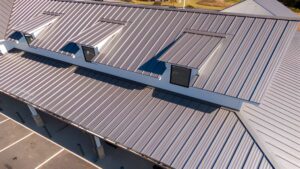
Larger roof surface areas mean more seams and fasteners, increasing the number of potential points where issues can develop if installation quality is inconsistent across the project
Rooftop equipment, such as HVAC units, requires careful flashing and sealing around penetrations to prevent leaks that can affect a large section of interior space
Regular maintenance schedules are often more formalized for commercial properties, since facility managers typically have preventative maintenance programs in place that residential property owners may not follow as consistently
Working with a steel roofing company experienced in both residential and commercial installations helps ensure these considerations are addressed appropriately based on the specific property type and use.
Choosing a Metal Roofing Contractor in Keller TX
Because installation quality has such a significant impact on how long a metal roof lasts, selecting an experienced local contractor matters considerably. A metal roofing contractor in Keller TX who understands regional weather patterns, including hail frequency and summer heat intensity, is better positioned to recommend the right gauge, coating, and installation approach for a specific property.
When comparing keller tx roofers, it is worth asking about:
Experience specifically with metal roofing systems, not just general roofing work
Familiarity with local hail history and recommended gauge thickness for the area
Coating options available and their expected performance under Texas sun exposure
Warranty terms covering both materials and workmanship
References from previous metal roofing projects in the North Texas region
Texas Metal Roofing works with property owners throughout the region, including as a keller roofing company handling both residential and commercial projects. As metal roof specialties inc continues to serve the area, understanding these lifespan factors helps property owners make more informed decisions before committing to a project, whether that involves new installation or evaluating an existing roof’s remaining service life.
For those researching roofing in keller tx options more broadly, reviewing the full scope of available metal roofing services can help clarify which approach best fits a specific property’s needs and budget.
Conclusion
A metal roof’s lifespan in Texas depends on far more than the material alone. Heat cycling, hail exposure, installation quality, coating selection, and ongoing maintenance all play a role in determining whether a roof reaches the lower or upper end of its expected service life. For property owners across Texas, understanding these factors before installation, and staying consistent with maintenance afterward, offers the best path toward getting the full value out of a metal roofing investment.
If you are considering a metal roof for your home or commercial property, or want to evaluate the condition of an existing roof, contact us to schedule an inspection and discuss which options make sense for your property.