North Texas is widely recognized as a hail-prone region, where frequent storms, strong winds, summer heat, and rapid temperature changes place significant stress on residential roofing systems. These conditions make roofing decisions especially important for homeowners across DFW and surrounding counties seeking reliable, long-lasting solutions.
This guide explains what a metal roofing contractor should provide in a modern roofing project, including the right system selection for your home, code-aware installation practices, proper documentation for insurance purposes, and a long-term approach to ventilation and maintenance. You’ll also learn how to evaluate metal roofing options in Texas, compare materials effectively, avoid common installation mistakes, and choose a steel roofing company capable of serving the needs of North Texas homeowners.
Why metal roofing is surging in North Texas
Metal roofing isn’t “new,” but its adoption is accelerating because the math is improving for homeowners: better coatings, stronger fastener systems, more insurer scrutiny after hail events, and higher demand for energy-efficient building envelopes. Nationally, the metal roofing market continues to expand as durability and lifecycle cost become bigger drivers than cost alone.
Storm resilience and lifecycle value
Many homeowners move to metal after experiencing repeated asphalt shingle replacements. While performance varies by product and installation quality, properly designed metal assemblies can reduce failure points. That matters in an area where hail and straight-line winds are routine.
Metal roof specialties: systems that actually work on Texas homes
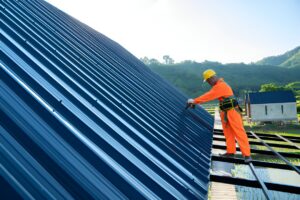
“Metal roof” is not one product. A credible provider of metal roof specialties should help you choose a system that matches your slope, architecture, budget, and storm risk. This evaluation process is where experienced metal roofing services in Dallas stand out because the details often matter as much as the panel type.
Standing seam vs. exposed-fastener: what North Texas homeowners should know
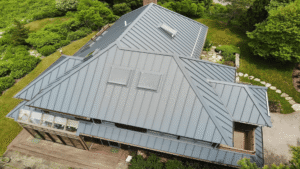
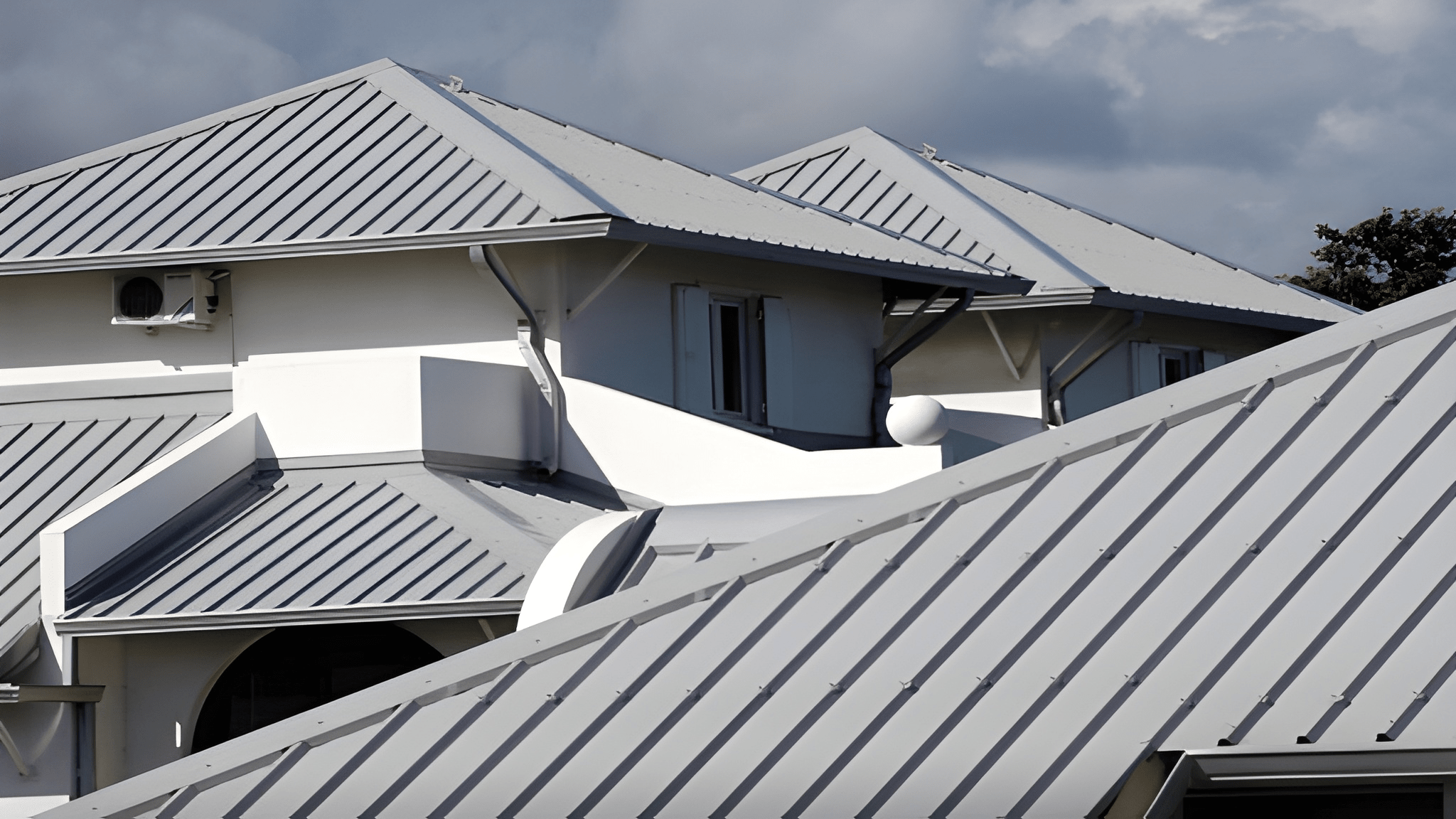
Standing seam systems hide fasteners, rely on engineered clips/locks, and generally offer superior long-term weathering when installed to manufacturer specs. They cost more upfront, but typically reduce maintenance needs related to fastener gaskets and panel movement.
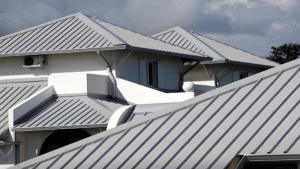
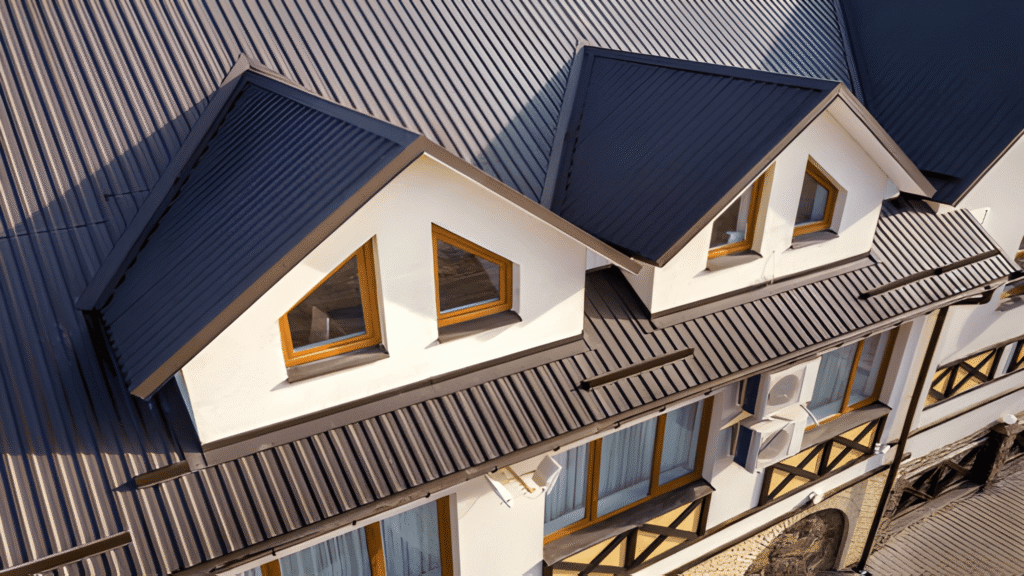
Exposed-fastener(often called “R-panel” or “through-fastened”) can be a practical option for certain residential and outbuilding applications, especially when budget is the deciding factor. However, long-term performance depends heavily on screw placement, washer quality, re-tightening expectations, and thermal movement planning.
Steel, aluminum, and coated systems
Most residential “steel” roofs in Texas are coated steel (commonly galvanized or Galvalume) with factory-applied paint systems. These coatings matter: premium finishes generally resist fading and chalking better under high UV exposure. Aluminum can be beneficial in coastal environments, but for North Texas, coated steel is typically the value-performance standard when sourced and installed correctly by a qualified steel roofing company.
Underlayment and ventilation are not optional.
Texas heat intensifies the importance of underlayment and ventilation decisions. For many homes, a high-temperature rated underlayment plus balanced intake/exhaust ventilation can reduce premature aging of attic components and improve comfort. If a contractor bids metal panels without clearly specifying underlayment type, ventilation approach, and flashing plan, treat that as a red flag.
How to choose a metal roofing contractor in North Texas
When homeowners search “ residential metal roofing contractors near me,” they often get a list of companies that “also do metal.” In 2026, the gap between “we install metal sometimes” and “we are metal-forward specialists” is a major predictor of outcome.
BBB accreditation and reputation signals
BBB accreditation can be a useful trust signal, especially when paired with a review of complaint history and how issues were resolved. Don’t stop at star ratings; read the narratives. In storm markets, even strong companies can receive complaints, but the key is whether they respond, document, and make things right.
Local expertise + family-owned integrity: what that should look like in practice
Many North Texas homeowners prefer “local” and “family-owned integrity.” Still, those words only matter if they translate into operational behaviors: stable crews, consistent supervision, clear warranties, and accessible leadership post-install. Ask who will supervise your job, how change orders are handled, and what happens if a leak appears after the first hard rain.
Full-service roofing in 2026: repair, install, replace
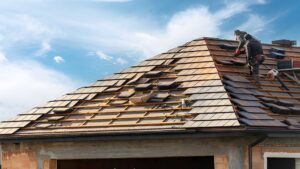
Homeowners often assume that metal roofing automatically means full replacement. In reality, a true full-service roofing provider will help you decide whether to repair storm damage, retrofit, or replace your roof based on your roof’s age, deck condition, ventilation, and insurance constraints.
When repair is the right call
Repairs can make sense when damage is localized (for example, a compromised flashing wall, a few lifted panels, or punctures from debris). The contractor should explain whether a repair will preserve system integrity or simply “patch and hope.” If the roof is near the end of its life or has systemic installation issues, repair can become an expensive, repeated expense.
When replacement is the financially rational move
Replacement is often justified when you have widespread hail impacts, repeated leaks from multiple transitions, or underlayment failure. Insurance carriers may request documentation and may treat cosmetic vs. functional damage differently, so your contractor should provide photo evidence, slopes marked, test squares when appropriate, and a code-aware scope.
2026 trends: what’s changing in Texas metal roofing right now
In 2026, residential metal roofing is being shaped by three forces: insurer scrutiny, material supply chain normalization after the early-2020s volatility, and a homeowner demand shift toward measurable performance. The winning contractors are those who can document systems, not just sell them.
Impact ratings, testing, and documentation are becoming “table stakes”
Homeowners are increasingly asking for impact classifications and proof of what was installed. This type of inquiry is influenced by storm frequency and the growing use of aerial and AI-assisted property analytics in claims and underwriting. Your contractor should provide product data sheets, photo logs, and warranty registration support.
More attention to ventilation, moisture, and building science
Metal roofing performs best when it’s part of a system: attic air sealing, insulation alignment, and ventilation strategy. In 2026, the best North Texas installers talk as much about airflow and condensation risk as they do about panel gauge and paint finish.
Solar readiness and roof-electrical coordination
Solar adoption continues to push “future-proofing.” Even if you don’t install solar today, a metal roof can simplify long-term planning when penetrations are minimized and attachment methods are designed correctly. A knowledgeable metal roofing contractor will coordinate with solar installers to avoid warranty conflicts and prevent poorly flashed penetrations.
Conclusion: How to hire the right North Texas metal roofing expert
In a region where hail, wind, and heat punish roofs, metal can be an excellent long-term choice if it’s designed and installed as a complete system. When comparing contractors, focus less on marketing claims and more on clarity of scope, documentation, and proven local execution.
Next step: If you’re evaluating residential metal roofing contractors near you in North Texas, request three written proposals with identical specification requirements. Then choose the contractor who can demonstrate proper system installation, not just the ability to sell it.
If you’re ready to move forward or need expert guidance in reviewing contractor proposals, contact us today. Our team can help you evaluate your options and ensure you make a confident, well-informed decision.