When homeowners begin researching metal roofing for a Texas property, two panel styles come up more often than any other: standing seam and corrugated. Both are legitimate, widely used options, but they differ significantly in appearance, installation method, durability, and long term cost. Choosing between them is not a matter of one being universally better than the other, but rather understanding which style fits a specific home, budget, and set of priorities.
This guide offers an unbiased comparison of standing seam and corrugated metal roofing across the factors that matter most to Texas homeowners, including weather resistance, energy efficiency, maintenance needs, appearance, and total lifetime ownership costs. For those working with a steel roofing company to plan a new roof, understanding these differences up front makes for a more productive conversation with a contractor.
What Is Standing Seam Metal Roofing?
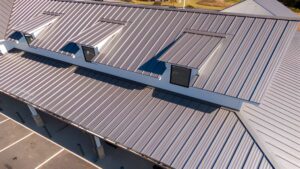
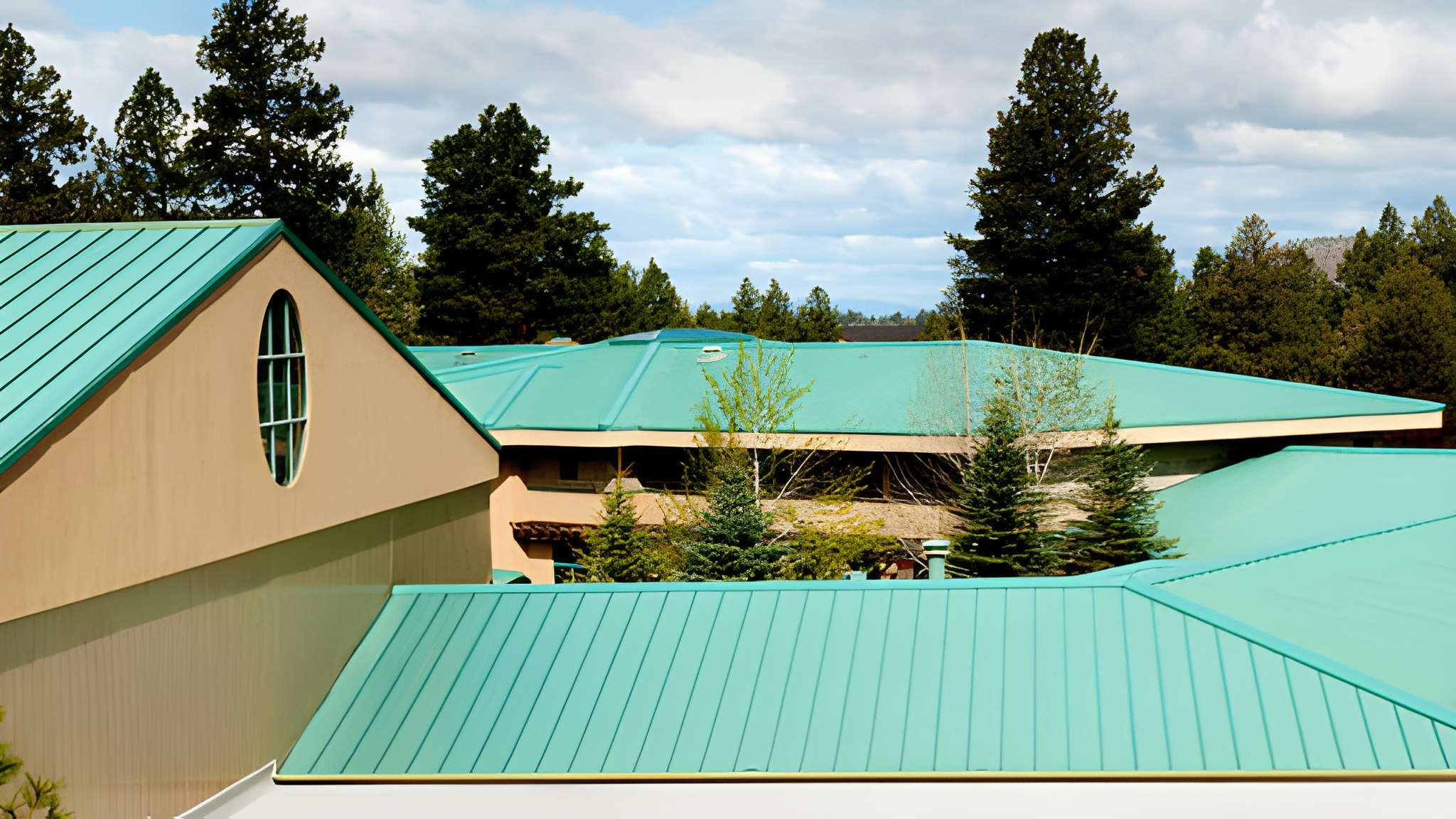
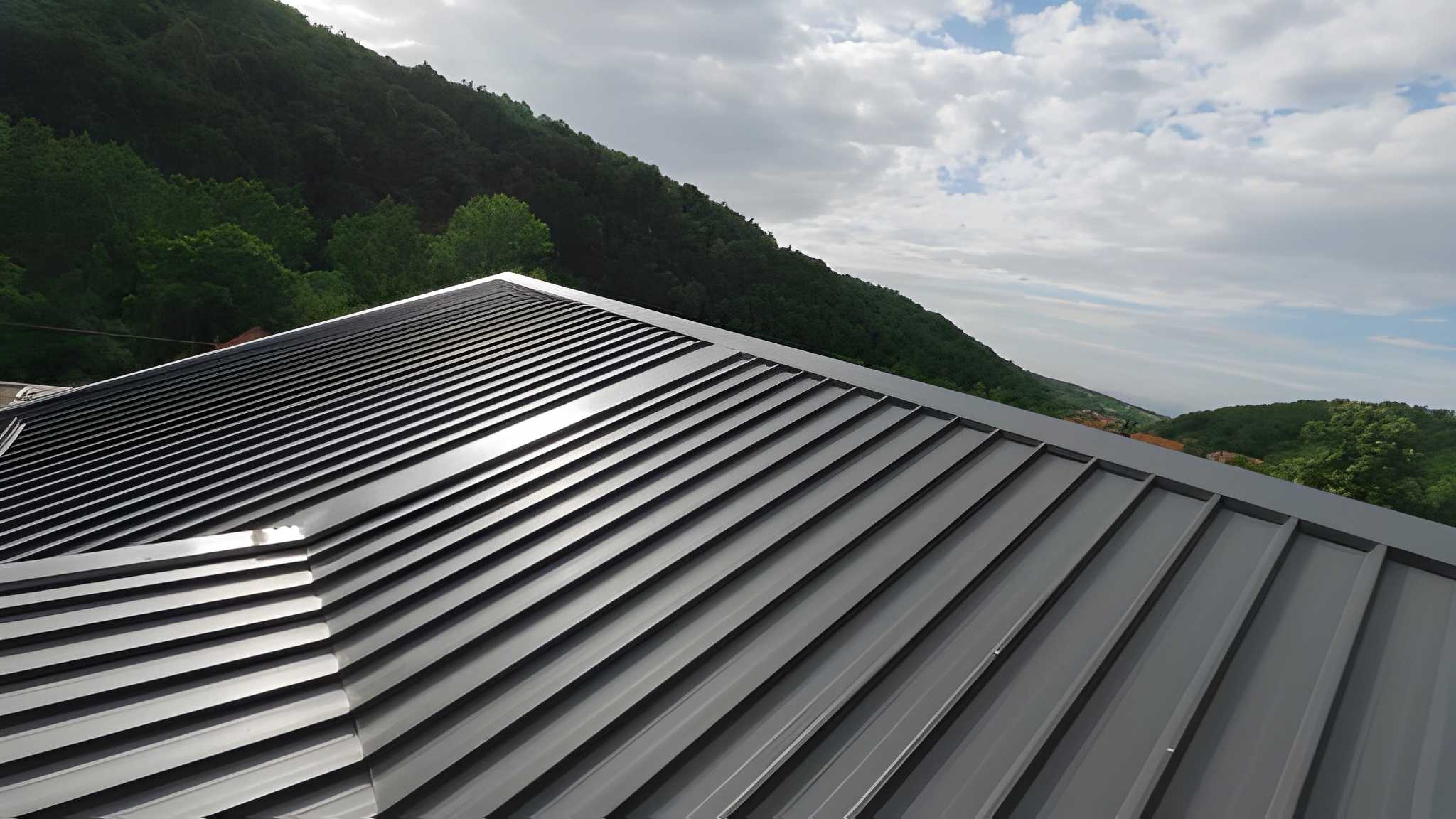
Standing seam roofing is characterized by raised, vertical seams that connect adjacent panels along the length of the roof. These seams are mechanically locked or clipped together, creating a continuous, smooth surface with no exposed fasteners on the visible roof surface. The fasteners are concealed beneath the seams, which is one of the defining features that separates this system from other metal roofing types.
Key Characteristics
Concealed fastener system, reducing exposure to weather and UV degradation
Panels typically run continuously from ridge to eave without horizontal seams
Available in a range of panel widths and seam heights depending on manufacturer
Often installed with a rib height between one and two inches, providing a clean, modern profile
What Is Corrugated Metal Roofing?
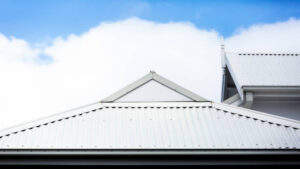
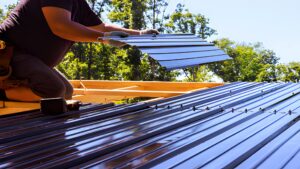
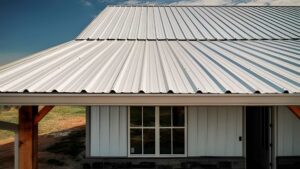
Corrugated metal roofing features a wave like, ridged pattern across the panel surface, with fasteners typically exposed and driven directly through the panel into the roof structure below. This is one of the oldest and most recognizable metal roofing styles, historically used on barns, agricultural buildings, and more affordable residential applications.
Key Characteristics
Exposed fastener system, visible along the panel surface
Wave pattern provides some structural rigidity even with thinner gauge material
Generally more affordable than standing seam systems
Available in various corrugation profiles, with rib spacing and depth varying by manufacturer
Durability Comparison
Both standing seam and corrugated metal roofing offer significant durability advantages over traditional asphalt shingles, but there are meaningful differences between the two systems when it comes to long term performance.
Standing Seam Durability
The concealed fastener design of standing seam roofing means the screws and fasteners holding the panels in place are protected from direct sun and rain exposure. This significantly reduces the risk of fastener failure over time, since exposed fasteners are typically the first point of failure on a metal roof as sealant washers degrade under UV exposure. Standing seam systems generally offer a longer practical lifespan as a result, often performing well for 50 years or more when properly installed.
Corrugated Durability
Corrugated roofing, with its exposed fasteners, requires more attention over the life of the roof, since the rubber washers under each screw head will eventually degrade from sun exposure and need replacement or resealing. Without this maintenance, exposed fasteners can loosen or allow water infiltration at each individual attachment point. That said, corrugated panels are still considerably more durable than asphalt shingles and can offer a long service life when properly maintained.
Weather Resistance in Texas Conditions
Texas weather presents a unique combination of challenges, including intense heat, severe hailstorms, high winds, and heavy seasonal rainfall, all of which test roofing materials differently.
Wind Resistance
Standing seam roofing generally performs better in high wind conditions due to its continuous panel design and concealed, mechanically locked seams, which create a more unified surface less prone to individual panel lifting. Corrugated panels can also perform well in wind events, but the exposed fastener design means individual panels are more dependent on fastener integrity to resist uplift.
Hail Resistance
Both roofing types can experience denting from large hail, though the ribbed profile of corrugated panels can sometimes hide minor denting more effectively than the flat panel sections of standing seam roofing, where dents may be more visually noticeable. Neither system is inherently more resistant to hail damage than the other; panel gauge thickness plays a larger role in hail performance than the panel style itself.
Water Shedding
Standing seam roofing’s raised seams and continuous panel runs provide excellent water shedding performance, with fewer potential entry points for water infiltration compared to corrugated systems, which rely on properly sealed fasteners at each attachment point to prevent leaks.
Energy Efficiency Considerations
Both roofing styles can be installed with reflective coatings that help reduce heat absorption, which matters considerably in the Texas climate where cooling costs represent a significant portion of many homeowners’ utility bills.
Standing seam roofing is more commonly paired with additional insulation options, such as above deck insulation systems, due to its installation method allowing for more flexibility in how the roofing assembly is built up. Corrugated roofing can also incorporate insulation, but this is more commonly seen in agricultural or commercial applications than in typical residential installations.
Maintenance Requirements
Maintenance Factor | Standing Seam | Corrugated |
|---|---|---|
Fastener exposure | Concealed, reduced maintenance need | Exposed, requires periodic inspection and resealing |
Seam sealing | Mechanically locked, minimal ongoing sealing needed | Relies on fastener washers remaining intact |
Panel replacement | More complex due to continuous panel runs | Generally simpler to replace individual damaged panels |
Inspection frequency | Annual inspection recommended | Annual inspection recommended, with closer attention to fasteners |
Long term upkeep cost | Lower over time due to fewer failure points | Slightly higher due to periodic fastener maintenance |
As the table illustrates, standing seam roofing generally requires less ongoing maintenance due to its concealed fastener design, while corrugated roofing, though still durable, benefits from more regular attention to fastener condition over time.
Appearance and Design Flexibility
Appearance is often a deciding factor for homeowners choosing between these two systems, since they create noticeably different visual results.
Standing Seam Appearance
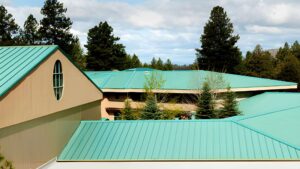
Standing seam roofing offers a clean, modern, streamlined appearance that has become increasingly popular on contemporary residential homes across Texas. The smooth panel surface and vertical seam lines give the roof a more refined look, which appeals to homeowners seeking a polished aesthetic. It is also available in a wide range of colors and finishes, giving homeowners more design flexibility.
Corrugated Appearance
Corrugated roofing has a more traditional, rustic appearance, often associated with farmhouse style homes, ranch properties, and agricultural buildings. In recent years, however, corrugated panels have also found a place in modern farmhouse and industrial style residential design, where the ribbed texture is intentionally used as a design feature rather than simply a practical choice.
Neither appearance is objectively better; the right choice depends on the architectural style of the home and the homeowner’s personal design preferences.
Total Lifetime Ownership Cost
While corrugated roofing typically has a lower upfront installation cost, standing seam roofing often proves more cost effective over the long term due to its extended lifespan and reduced maintenance requirements.
Factors Affecting Total Cost
Initial installation cost: Corrugated roofing is generally less expensive to install due to simpler panel design and lower material costs
Maintenance costs over time: Standing seam roofing typically requires less ongoing maintenance, reducing long term costs associated with fastener resealing and inspection
Lifespan: Standing seam roofing often lasts longer due to its concealed fastener system, which can offset its higher upfront cost when spread across a longer service life
Repair costs: Individual corrugated panels are often simpler and less expensive to replace than a section of standing seam roofing, which may require more specialized labor
For homeowners planning to stay in a property for several decades, standing seam roofing’s lower maintenance needs and longer lifespan often make it the more cost effective choice overall. For homeowners with a more limited budget or a shorter ownership timeline, corrugated roofing can still offer strong value and durability at a lower initial investment.
Which System Performs Better for Texas Homes
There is no single correct answer, since the best choice depends on a property’s specific needs, budget, and architectural style. However, a few general patterns can help guide the decision.
Standing seam roofing tends to be the better choice for homeowners prioritizing long term durability, minimal maintenance, and a modern aesthetic, particularly for properties expected to be owned for decades
Corrugated roofing tends to be a strong choice for homeowners working within a tighter budget, those drawn to a more traditional or rustic appearance, or properties such as outbuildings and secondary structures where cost efficiency is a higher priority than premium performance
Working With an Experienced Metal Roofing Installer
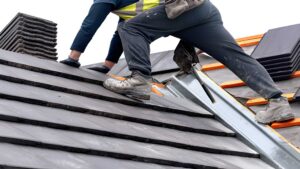
Regardless of which system a homeowner chooses, proper metal roofing installation plays a significant role in how well either system performs over time. Metal roof installation requires precise attention to fastener spacing, panel alignment, and flashing details, all of which affect long term weather resistance and durability.
Working with an experienced contractor familiar with both standing seam and corrugated systems helps ensure the chosen roofing style is installed correctly the first time, reducing the likelihood of premature issues that can arise from rushed or improperly executed metal roofing installation.
Choosing a Metal Roofing Contractor in Grand Prairie TX
For homeowners in the area, working with a Metal Roofing Contractor in Grand Prairie TX who has direct experience installing both standing seam and corrugated systems allows for a more informed comparison based on the specific home’s structure, budget, and design goals. An experienced grand prairie tx roofing contractor can walk through panel samples, discuss gauge thickness options, and explain how each system would perform on the specific roofline in question.
When comparing roofers grand prairie tx options, homeowners should ask about:
Experience installing both standing seam and corrugated systems specifically
Panel gauge and coating options available for each style
Expected installation timeline and any structural considerations for the specific roof
Maintenance recommendations tailored to the chosen system
Homeowners searching for metal roofing installers near me in the Grand Prairie area can also review completed roofing grand prairie projects to get a better sense of how each panel style looks on homes with similar architecture. Texas Metal Roofing works with property owners throughout the region as a trusted metal roof specialist, helping homeowners weigh these options based on their specific property and long term goals. For those researching metal roof texas options more broadly, comparing both panel styles side by side with an experienced team makes the decision considerably clearer.
Conclusion
Standing seam and corrugated metal roofing each offer distinct advantages depending on a homeowner’s priorities, budget, and the architectural style of their home. Standing seam roofing generally provides superior long term durability and lower maintenance needs thanks to its concealed fastener design, while corrugated roofing offers a more affordable upfront investment and a distinctive, traditional appearance that suits many Texas properties. Weighing durability, energy efficiency, maintenance, appearance, and total lifetime cost together, rather than focusing on any single factor, leads to the most informed decision.
If you are comparing standing seam and corrugated metal roofing for your Texas home, contact us to discuss which system best fits your property and budget.