
Architectural vs. traditional asphalt shingles is the first comparison most homeowners face when a roof needs to be replaced. Both products use the same basic materials. Both are sold by almost every roofing supplier. Yet they differ in thickness, appearance, wind protection, lifespan, and price. Knowing these differences helps you avoid paying for features you do not need. It also helps you avoid saving money on a product that may not last.
This guide explains architectural vs. traditional asphalt shingles in plain language. You will learn how each shingle is built and how it looks on a roof. You will also see what to check before you choose. Cost, warranties, and care tips are covered too. The main focus is homes. However, some readers also manage small commercial or mixed-use buildings. If that is you, a commercial metal roofing company can explain which systems suit flat and larger roofs. A metal roof specialist can also show how metal compares with shingles on a sloped home roof.
What Are Traditional Asphalt Shingles?
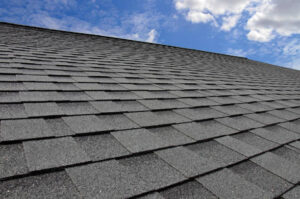
In the architectural vs. traditional asphalt shingles comparison, the traditional style is the older, simpler product. The roofing industry usually calls it a 3-tab shingle. Each shingle is one flat layer. The bottom edge is cut into three tabs. When the shingles are laid in rows, the cutouts make an even, repeating pattern.
How Traditional Shingles Are Built
A traditional shingle has a fiberglass mat at the center. The mat is coated with asphalt, which keeps water out. Ceramic granules are pressed into the top. These granules block sunlight and give the shingle its color. A strip of glue on the back helps each row seal to the one below it. The sun’s heat activates this glue after the roof is installed.
How Traditional Shingles Look
The look is clean and flat. Every tab is the same size. The roof has a neat, regular pattern. This works well on simple ranch homes and rental houses. It also suits homes where the roof is not a main design feature. Color choices are often fewer than with newer products. Still, most brands offer a fair range of grays, browns, and blacks.
Where Traditional Shingles Make Sense
Traditional shingles are a practical pick when the budget is tight. They also work for a home that will be sold soon. Sheds and detached garages are common uses, too. Roofers have installed them for decades, so the process is well known.
However, the thin build is a concern in places with hail or strong wind. For this reason, many makers have cut back on 3-tab lines in recent years.
What Are Architectural Roofing Shingles?
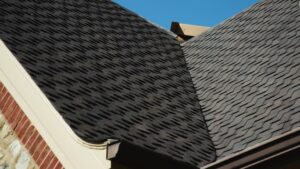
The other side of the architectural vs. traditional asphalt shingles choice is a thicker, layered product. Architectural roofing shingles are also called dimensional or laminated shingles. They are made from two or more layers bonded together. The top layer is cut in varied shapes. The layer below adds depth and strength.
How Architectural Shingles Are Built
The core materials are the same. You still get a fiberglass mat, asphalt coating, and ceramic granules. The big difference is the layering. Strong glue bonds the layers into one thick shingle. The extra material makes it stiffer. A stiff shingle stays flat in the heat. It also resists lifting in the wind.
How Architectural Shingles Look
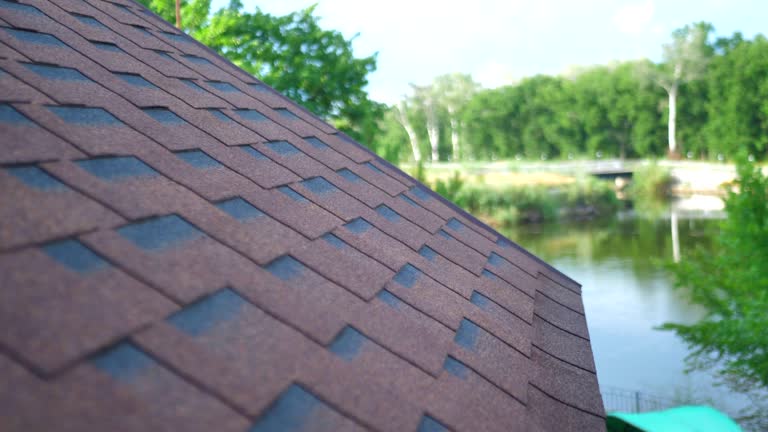
The look is more textured. The layers create shadow lines that add depth. Some products copy the look of wood shake or slate. Color blends are often richer. Several tones may appear in one shingle. This makes the roof look fuller. It also helps the roof match brick, stone, or siding.
Where Architectural Shingles Make Sense
Architectural roofing shingles are the common choice for homes today. They suit most house styles, from classic to modern. They also offer a better balance of cost and durability than the basic option. For homeowners who plan to stay for many years, they are usually the better fit.
Key Differences Explained
Appearance and Curb Appeal
Looks are often the first reason homeowners decide between architectural and traditional asphalt shingles. A 3-tab roof looks flat and regular. An architectural roof looks deeper and richer. If your roof is easy to see from the street, the extra depth can make the home look finished. It may also help when you sell. If the roof is hard to see, the difference matters less.
Strength and Lifespan
When comparing architectural vs. traditional asphalt shingles for lifespan, thickness is the main factor. The extra layers help the shingle resist cracking and curling. They also help it resist tearing. Makers show this in their warranties. Longer warranties are common with architectural products.
However, a long warranty is not the same as a long life. Heat, storms, poor airflow, and weak installation can shorten any roof’s life. Also, many warranties are limited. Some cover only the material, not the labor.
Wind Protection
Wind is a big test for any roof. Architectural shingles are heavier, so they often hold up better. They also provide a wider nailing area. As a result, they usually earn a higher wind rating. However, a rating only counts if the installer follows the manufacturer’s nail pattern. An installer who skips nails or places them too high can void the rating.
Hail and Impact Protection
Hail is a major factor when choosing architectural vs. traditional asphalt shingles for Texas homes. Traditional shingles are thin. They often lose granules or crack when hit by hail. Architectural shingles handle impact better. Still, standard versions are not hail-proof.
Heat Performance
Asphalt shingles darken and dry out in strong sun. Over many summers, granules wear off. The asphalt can then turn brittle. Thicker shingles tend to handle this better. Color and airflow matter too. Lighter shades reflect more heat. A well-vented attic also helps the roof last longer. This is true for both shingle types.
Weight on the Roof
Architectural shingles are heavier than 3-tab shingles. In most cases, this is not a problem. Most modern roof frames can hold either product. If you are replacing an older roof, it is still smart to have the roofer check the decking and frame first.
Understanding Asphalt Shingle Styles
The shingle type is only part of the choice. Inside each group, there are several asphalt shingle styles. Knowing these terms helps you read estimates and brochures with confidence.
Standard 3-Tab
This is the basic flat style. It has the lowest cost and a simple look.
Standard Architectural
This is the common layered shingle. It has medium thickness and a blended color pattern. Most roofers install this style on typical homes.
Premium or Designer Architectural
These shingles are thicker and heavier. They have deeper shadow lines. Many are made to look like slate or cedar shake. They cost more, but they give the roof a more upscale look.
Impact-Resistant Architectural
These shingles use stronger materials, such as polymer-modified asphalt. The goal is to withstand hail better. They are a common choice in storm-prone areas.
Cool Roof or Reflective Options
Some lines use special granules that reflect more sunlight. This can lower heat buildup in hot weather. Ask for the reflectance data if energy use matters to you.
Cost Differences to Expect
The price gap between architectural vs. traditional asphalt shingles comes from a few clear factors. Prices change with the market. So a written estimate is the only reliable number. It is more helpful to know what drives the cost.
Material cost. Architectural shingles cost more per bundle because they have more material.
Labor. Installation time is often similar. However, some architectural products need extra care at ridges and valleys.
Roof shape. Steep slopes, dormers, valleys, and many vents add labor to any roof.
Tear-off and repairs. Removing old layers and fixing damaged wood adds to the total.
Underlayment and extras. Good underlayment, flashing, and vents affect both price and performance.
A helpful method is to compare cost per year of service. Do not only look at cost per square. Say an architectural roof costs a bit more but lasts several years longer. Then the yearly cost may be lower. This is not always true. Still, it is a fair way to compare.
When Asphalt Is Not the Only Choice
Asphalt is the most common residential roofing material in the United States. However, it is not the only option. Metal, tile, slate, composite, and wood shakes all have a place. Metal is a key option for many Texas homeowners. It handles wind well. It reflects heat. It can also last for decades. The upfront cost is higher. Some panels can also dent in large hail, though many have impact ratings.
Homeowners who want to learn about panel types, coatings, and installation can speak with the metal roofers at Texas Metal Roofing. They can explain how different systems perform in local weather. Those researching options for metal roofs in Texas should ask about coatings that resist heat and UV rays.
How to Choose Between the Two Shingle Types
These steps will help you decide between architectural vs. traditional asphalt shingles. Work through them in order.
Step One: Think About How Long You Will Stay
If you plan to stay for many years, a longer-lasting shingle usually makes sense. If you plan to sell soon, a lower-cost option may be enough. However, buyers often notice the roof. A roof that ages badly can hurt a sale.
Step Two: Look at Your Local Weather
Check how often your area gets hail, strong wind, and extreme heat. In harsh weather, thicker, impact-rated shingles often pay for themselves. In mild areas, the gap may be smaller.
Step Three: Match the Roof to Your Home
Look at your home style and the color of your brick or siding. Architectural roofing shingles offer more ways to blend in or stand out. Ask for full-size samples. View them outside in natural light.
Step Four: Check Codes and HOA Rules
Some cities need a permit for a full roof replacement. Some homeowner associations limit shingle type or color. Confirm these rules before you order materials. This avoids delays and extra costs.
Step Six: Compare Written Estimates
Ask for two or three detailed estimates. Each one should list the shingle brand and line. It should also list underlayment, flashing, airflow upgrades, tear-off, disposal, and warranty. Comparing the same scope is more important than finding the lowest number.
Why Installation Quality Matters More Than the Label
Even the best shingle will not perform well if it is installed poorly. Good installation helps both architectural and traditional asphalt shingles perform as rated. Several details make a difference:
Nail placement. Nails must sit in the right zone. They must go in straight, not too deep and not too shallow.
Underlayment. A quality layer adds a second barrier against water.
Flashing. Chimneys, valleys, skylights, and wall joints often leak. They need proper flashing.
Attic airflow. Poor airflow traps heat and moisture. This shortens shingle life.
Starter strips and ridge caps. These pieces protect edges and ridges, where wind often does the most harm.
Warranties often depend on following the maker’s instructions. A crew that cuts corners can put your coverage at risk. For this reason, ask about training and past projects. Also ask who will supervise the work on site.
Conclusion
The choice between architectural and traditional asphalt shingles comes down to budget, weather, looks, and how long you plan to own the home. Traditional 3-tab shingles are the least expensive and have a simple look. However, they are thinner and offer less protection from wind and hail. Architectural roofing shingles cost somewhat more. In return, they give more depth, stronger performance, and longer warranties. For most homes, they are the more practical long-term pick. Whichever you choose, careful installation matters as much as the product.
If you are ready to talk about your own roof, contact us today to schedule an inspection and get clear answers.