
Roof repair or replacement is a hard choice for most homeowners. A small leak can look minor, yet it may point to a bigger problem under the surface. On the other hand, a full replacement is a large expense, and you do not want to pay for it before it is needed. The right answer depends on the age of the roof, the type of damage, the cost, and your plans for the home.
This guide explains how to make that decision in plain language. You will learn the signs that a roof can be fixed, the signs that it is time for a new one, and how cost affect the choice. You will also see the main roof replacement options and what to ask a roofer before you agree to any work. Some homeowners also want to compare shingles with other materials. If you live in the Fort Worth area, a metal roofing contractor in Fort Worth, TX can explain how metal systems differ from shingles.
Why This Decision Matters
A roof protects everything under it. This includes the structure, the insulation, the walls, and your belongings. A wrong choice can cost you in two ways. If you repair a roof that is past saving, you may pay for repairs again and again. If you replace a roof that only needed a small fix, you spend money you didn’t have to.
What Roofers Look At First
Before giving advice, a roofer usually checks a few key points:
Age of the roof. Age is the first clue to how much life is left.
Type of damage. Is it limited to one area, or is it spread across the roof?
Condition of the deck. Soft or rotted wood changes the plan.
Attic condition. Stains, damp insulation, and poor airflow reveal hidden problems.
Past repairs. Many patches on one roof can signal a roof that is wearing out.
Signs Your Roof Can Be Repaired
Residential roof repair makes sense when the problem is limited, and the rest of the roof is in good shape. In these cases, a repair can add years of life at a fair cost.
Minor Shingle Roof Damage
A few missing, cracked, or lifted shingles are usually easy to fix. Wind often loosens shingles near the edges and ridges. A roofer can replace them and seal the surrounding area. This is common after a strong storm and does not always mean the whole roof is failing.
Small, Local Leaks
A leak that comes from one spot, such as a vent pipe or a small section of flashing, can often be fixed without touching the rest of the roof. Flashing is the thin metal that seals joints around chimneys, skylights, and valleys. When it fails, water gets in. Replacing the flashing or the seal usually solves the problem.
Damaged Flashing or Sealant
Flashing and sealant wear out sooner than shingles. They can crack, rust, or pull away. Replacing them is a small job compared with a full roof, and it often stops leaks that look serious.
A Young Roof With Isolated Problems
If the roof is less than about 10 to 15 years old, the shingles are probably still in decent shape. A single storm event or a small installation error can cause damage without hurting the whole roof. In that case, a repair is usually the better choice.
When the Repair Is Likely to Hold
A repair tends to work well when:
The damage covers a small part of the roof.
The deck under the damage is dry and solid.
The remaining shingles are flat, firm, and still have their granules.
The roof has not needed repeated fixes in recent years.
Signs Your Roof Needs Replacement
Some problems cannot be solved with a patch. When the whole roof is worn out, repairs only delay the higher cost.
Age of the Roof
Asphalt shingle roofs often last about 15 to 30 years, depending on the shingle type, climate, and care. Three-tab shingles tend to be near the lower end. Architectural shingles often last longer. If your roof is near the end of that range, even a good repair may not be worth the money.
Widespread Shingle Roof Damage
Shingle roof damage that covers large areas is a strong sign it’s time to replace. Look for:
Curling or cupping shingles
Cracks across many shingles
Bald spots where granules have worn away
Many missing shingles in different areas
Dark streaks or heavy moss growth that keeps coming back
Heavy Granule Loss
Granules protect the asphalt from the sun. When they wash off, the shingle dries out and cracks faster. If you see a lot of granules in your gutters or at the base of downspouts, the shingles are likely aging out.
Hail Damage
Hail can bruise shingles, knock off granules, and weaken the mat underneath. The damage is often not easy to see from the ground. After a hail storm, a roofer should inspect the roof closely. If the damage is spread across the surface, replacement is often the better path.
A Sagging Roof Deck
A roof that sags or looks wavy may have deck or framing problems. This is a serious sign. It can come from long-term moisture, poor support, or too much weight. A roofer should inspect it soon.
Repeated Leaks
If you have fixed the same leak more than once, or if new leaks keep appearing in different spots, the roof may be failing as a whole system. Repairs may keep costing you money without solving the cause.
Rising Energy Bills
A roof with poor insulation or airflow can make your home harder to cool. If your bills are rising and your roof is old, it may be part of the cause. This isn’t proof on its own, but it is worth checking.
Roof Replacement Options
If you decide to replace, you have several choices. Each has its own cost, lifespan, and look. These roof replacement options are the most common for homes in Texas.
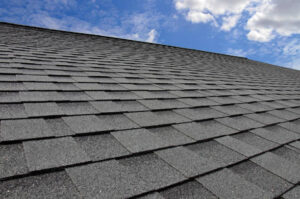
Three-Tab Asphalt Shingles
These are thin, flat, and less expensive. They have a simple look and a shorter lifespan. They can work for a tight budget, but they offer less protection from wind and hail.
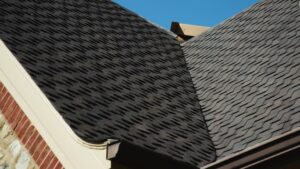
Architectural Asphalt Shingles
These are thicker and have more depth. They often last longer and carry better wind ratings. Impact-resistant versions are also available. Many homeowners choose them for a good balance of price and performance.
Composite Shingles
These are made from engineered materials and often copy the look of slate or wood shake. Many are rated for strong impact resistance. They usually cost more than asphalt but can last much longer.
Metal Roofing
Metal roofs last a long time and handle wind well. They also reflect heat, which can help in hot weather. The upfront cost is higher, and some panels can dent under large hail, though many have impact ratings. Homeowners in the Fort Worth area who want to learn more can read about metal roofing in Fort Worth to compare panel types and finishes. Those who want a local view can also look at metal roofing Fort Worth TX information to see how metal performs in North Texas weather.
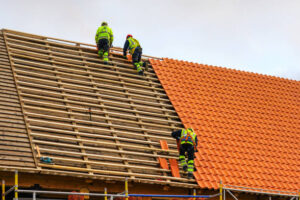
Tile and Slate
Tile and slate are very long-lasting and have a strong look. They are heavy, so the roof frame must be able to carry the load. They also cost more and need installers with special skills.
Choosing Among the Options
When you compare roof replacement options, think about these points:
How long you plan to stay in the home
How often your area gets hail and strong wind
Your budget today and over the next 20 years
The style of your home and neighborhood
Rules from your city or homeowner association
Repair or Replacement After a Storm
Storms are one of the most common reasons homeowners face this choice. North Texas sees hail, strong winds, and heavy rain, and each can cause different problems.
Check for Damage Safely
After a storm, walk around the home and look from the ground. Check for shingles in the yard, dents in gutters, dented vents, and damaged siding. Do not climb on a damaged roof. It can be unsafe. Take clear photos from the ground and, if it is safe, from a ladder.
Call a Roofer for a Full Inspection
Hail damage and wind damage are not always easy to see. A roofer can check each slope, the flashing, and the vents. They can also check the attic for signs of water.
Avoid Rushed Decisions
After a big storm, some companies go door to door and push quick contracts. Take your time.
Common Mistakes to Avoid
Homeowners often run into the same problems with roof repair or replacement. Here are the most common ones.
Waiting too long. A small leak can damage insulation, drywall, and framing. Early action often costs less.
Choosing on price alone. The lowest bid may skip key steps, such as new underlayment or proper flashing.
Patching an old roof again and again. If the roof is near the end of its life, repeat repairs can waste money.
Ignoring the attic. Stains, damp insulation, and poor airflow often reveal problems that aren’t visible from the outside.
Skipping the written contract. Make sure the contract lists the scope, materials, start date, payment schedule, and warranty.
Replacing a roof when a repair is enough. A second opinion can help if you are unsure.
Roof Maintenance Tips to Delay Replacement
Good care can extend a roof’s life and reduce the need for repairs.
Inspect twice a year. Check in spring and fall, and after major storms.
Keep gutters clean. Clogged gutters let water back up under the roof edge.
Trim nearby branches. Limbs can scrape shingles and drop wet debris.
Check the attic. Look for stains, damp insulation, or daylight through the deck.
Fix small problems early. A loose shingle or cracked sealant is easy to fix today and costly later.
Skip the pressure washer. High pressure can strip granules and shorten shingle life.
Keep records. Save inspection reports, repair invoices, and warranty papers.
If you see damage or want a professional opinion on your roof, you can contact us to schedule an inspection and talk through your options.

Choosing a Roofing Contractor
The quality of the work matters as much as the choice between repair and replacement. Look for these signs of a reliable contractor:
Local experience. Ask how long the company has worked in North Texas.
Clear written estimates. A good estimate lists materials, labor, and extra costs.
Honest advice. A good roofer will tell you when a repair is enough.
References and reviews. Ask for recent references and read online reviews.
Clear warranty terms. Get both manufacturer and workmanship coverage in writing.
Texas Roofing Specialists provides roofing services for homeowners across North Texas and can answer questions about repairs, replacement, and material choices during a consultation. Homeowners who want to see what repair work on metal systems involves can also read about metal roofing contractors in Dallas, TX before they decide.
Conclusion
Roof repair or replacement comes down to a few clear factors. Repair makes sense when the damage is limited, the roof is fairly young, and the deck is sound. Replacement makes sense when the roof is old, the shingle roof damage is widespread, or repairs keep coming back.
It also helps to review all your roof replacement options before you choose. Asphalt, composite, tile, and metal each have different strengths. Homeowners who want to compare metal with shingles can look at metal roof repair services and learn how those systems are cared for over time. If you are weighing roof repair or replacement for your home, contact us today to schedule an inspection and get clear answers to your questions.