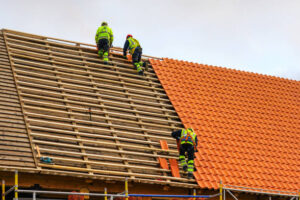

Choosing a new roof is one of the biggest home improvement decisions a homeowner makes. Residential roofing options for North Texas homeowners are shaped by hailstorms, strong winds, long summers, and sudden temperature swings. All of these put real stress on a roof. The material you pick affects how well your home handles that weather, how much you spend over the years, and how your home looks from the street.
This guide explains the most common residential roofing options for the region, with a close look at asphalt shingles and composite shingles. You will learn how each material performs, what it generally costs, how long it tends to last, and what happens during roof installation. If you want to compare choices for your own home, the Residential Roofing in North Texas page from Texas Roofing Specialists gives an overview of the services available. Homeowners curious about longer-lasting materials can also speak with a metal roof specialist before making a final decision.
Why Roofing Choices Matter in North Texas
A roof does more than keep rain out. It protects the structure, the insulation, the attic, and everything inside your home. A poor material choice can lead to leaks, higher energy bills, and early replacement. A good choice can last for decades with only routine care.
Hail and Storm Damage
North Texas sits in an area that sees frequent hail. Even small hailstones can bruise shingles, loosen protective granules, and shorten a roof’s life. Larger stones can crack or puncture roofing materials. Many homeowners in the region replace a roof earlier than expected because of storm damage, not age.
Heat and Sun Exposure
Summers in North Texas are long and hot. Constant sun exposure dries out roofing materials, fades color, and can cause shingles to curl or crack over time. Dark roofs absorb more heat, which can raise attic temperatures and make air conditioning work harder. Lighter colors and reflective materials can help, and good attic ventilation matters as much.
Wind and Seasonal Changes
Strong spring storms and gusty winds can lift shingle edges and tear off loose pieces. Temperature swings in winter and spring also cause roofing materials to expand and contract. Over many seasons, this movement can weaken seals and fasteners. Shingles with a higher wind rating and a careful roof installation help reduce these risks.
Asphalt Shingles for North Texas Homes
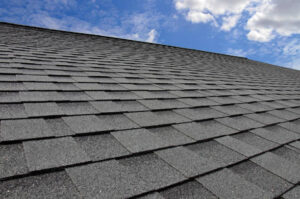
Asphalt shingles are the most common roofing material in the United States, and they are widely used across North Texas. They are made from a fiberglass mat coated with asphalt and topped with ceramic granules. The granules protect the shingle from the sun and add color.
Types of Asphalt Shingles
There are two main types, and the difference matters for performance.
3-tab shingles are the most basic style. They are thin, flat, and lightweight. They cost less, but they offer less wind and hail resistance and usually have a shorter lifespan. Many homeowners now choose a step up from this option.
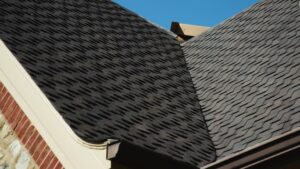
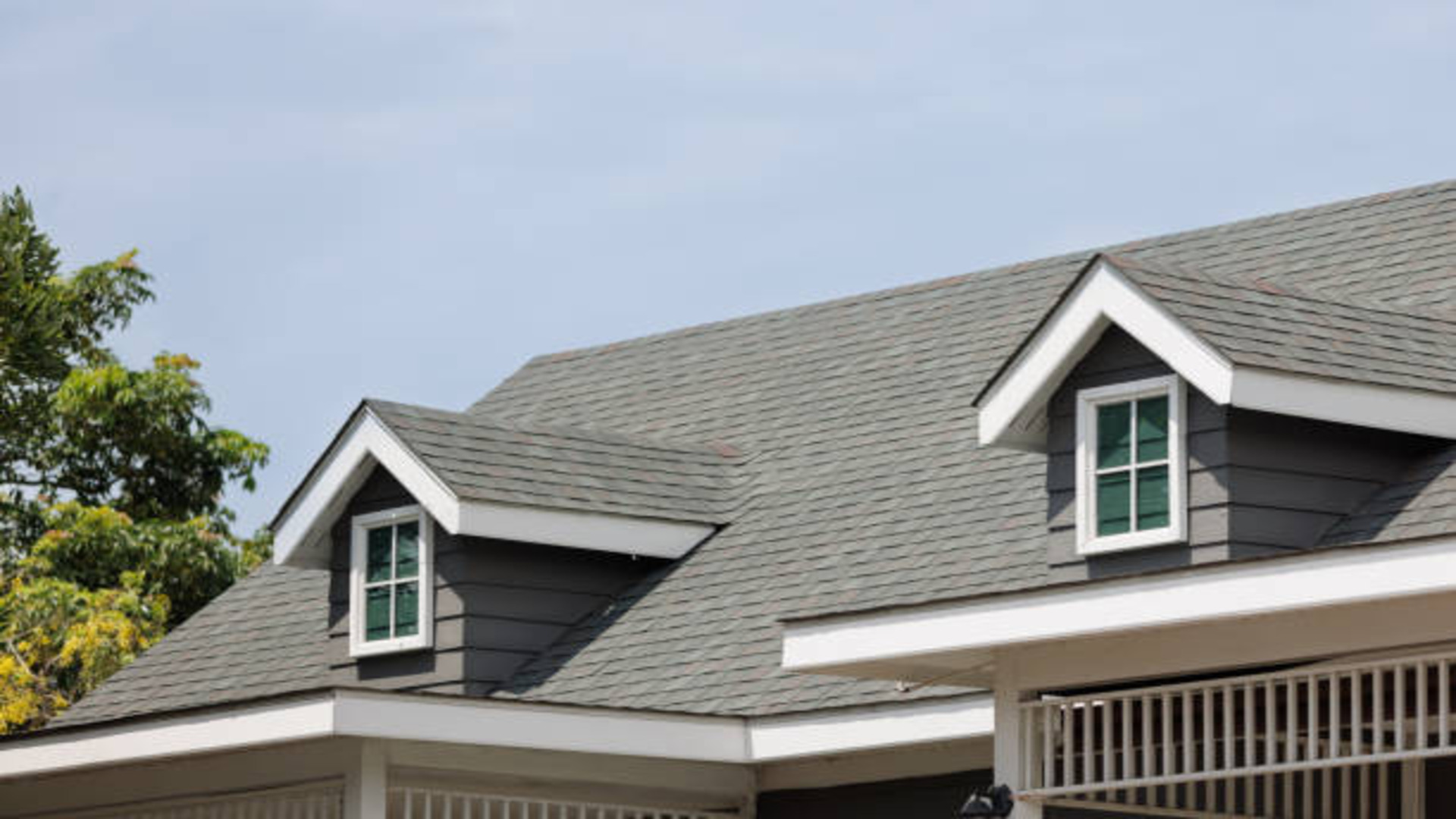
Architectural shingles, sometimes called dimensional or laminated shingles, use multiple layers bonded together. They are thicker and heavier, improving durability and giving the roof a more textured look. They often carry better wind ratings and longer warranties than 3-tab products.
Benefits of Asphalt Shingles
Asphalt shingles remain popular for good reasons.
Affordable upfront cost. They are usually the lowest-priced option among common materials, which helps homeowners who need a roof replaced on a set budget.
Wide range of colors and styles. It is easy to find a shade that suits your brick, siding, or stone.
Fast installation. The materials are widely available, and crews are familiar with them, so roof installation often takes only a day or two for an average home.
Simple repairs. Individual shingles can be replaced after storm damage.
Drawbacks to Consider
Asphalt shingles are not the right fit for everyone. In North Texas, the main concerns are hail and heat. Standard products can lose granules after a hail storm, and long exposure to intense sun can cause cracking and curling. Lifespan in this region may fall toward the lower end of the typical range, especially on roofs with poor attic ventilation.
Composite Shingles for North Texas Homes
Composite shingles are a newer category that has grown in popularity with homeowners who want more durability than standard asphalt. They are sometimes called synthetic or engineered shingles. Instead of asphalt and fiberglass, they are made from polymer blends, recycled plastics, rubber, or other engineered materials. Many are designed to look like natural slate or wood shake.
What Makes Composite Shingles Different
The main difference is in how the material is built and how it responds to stress. Composite products are molded to mimic the depth and texture of premium roofing, but they weigh far less than real slate or tile. That means most homes can support them without added structural work, although a roofer should confirm this during an inspection.
Many composite lines are tested for impact resistance, and many reach Class 4 ratings. In a region known for hail, this is a major advantage. They also tend to resist cracking, fading, and moisture better than basic asphalt products.
Benefits of Composite Shingles
Strong hail performance. Impact-rated options handle storm conditions better than most standard shingles.
Long lifespan. Many manufacturers offer warranties of 40 to 50 years, though warranty terms vary and often depend on proper installation.
Premium appearance. The slate and shake looks add curb appeal without the weight or cost of natural stone or wood.
Resistance to common problems. Composite materials generally resist rot, insects, and algae better than natural options.
Drawbacks to Consider
The biggest tradeoff is cost. Composite shingles usually cost more than asphalt upfront, and installation can take longer because the products require precise handling. Not every roofer has experience with them, so it is worth asking about training and past projects. Finally, composite is a newer category, so long-term field data is limited compared with asphalt, which has decades of proven history.
Asphalt vs. Composite Shingles: Which One Fits Your Home?
Asphalt shingles make sense when upfront cost is the main concern. They offer a dependable roof at a lower price, and architectural versions give a good balance of looks and performance. If you plan to move within 10 to 15 years, asphalt may be the practical option.
Composite shingles make more sense when you want to reduce the risk of storm damage and avoid replacing the roof again for a long time. If you plan to stay in your home, the higher price can spread out over many years.
Other Residential Roofing Options Worth Knowing
Shingles are not the only choice. Depending on your home style and budget, one of these materials may suit you better.
Metal Roofing
Metal roofs are known for long life, fire resistance, and strong wind performance. They reflect solar heat, which can help lower cooling costs in a hot climate. Standing seam panels and metal shingles are the most common residential styles. The upfront cost is higher than asphalt, and some metals can dent under large hail, although many panels are rated for impact resistance. Homeowners who want to learn more can consult metal roofing specialists to compare panel types and finishes. Those researching metal roofing in Texas will also find it useful to ask about coatings that handle heat and UV exposure.
Clay and Concrete Tile
Tile roofs are common on Spanish- and Mediterranean-style homes. They last for decades and handle heat well. They are heavy, so the roof structure must be able to carry the load, and broken tiles can be costly to replace after hail.
Wood Shakes
Wood shakes give a natural, rustic look. They need regular upkeep and can pose fire concerns, so some cities and neighborhoods restrict them. Check local codes and homeowner association rules before choosing this material.
How to Choose the Right Roof for Your Home
With so many residential roofing options available, a clear decision process helps. Consider these factors in order.
Match the Roof to Your Home Style
The roof covers a large part of what people see from the street. Architectural asphalt works with most traditional and ranch homes. Composite slate suits colonial, craftsman, and modern styles. Metal can suit farmhouse and contemporary designs. Pick colors that complement your brick, stone, or siding.
Check Local Codes and HOA Rules
Cities across North Texas have their own building codes, and some require permits for a full roof replacement. Homeowner associations may also limit materials or colors. Confirming these rules early avoids delays and extra costs.
What to Expect During Roof Installation
Understanding the process makes planning easier. A professional roof installation usually follows these steps, although details vary by company and project.
Inspection and Estimate
A roofer inspects the roof surface, flashing, vents, gutters, and attic. They look for hidden moisture, damaged decking, and ventilation problems. You then receive an estimate outlining the recommended materials and scope of work.
Preparation and Tear Off
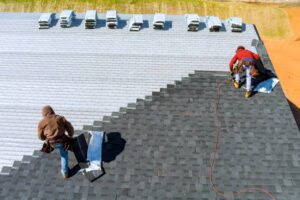
Crews protect landscaping, windows, and outdoor items. They then remove the old roofing down to the decking. Any soft or damaged wood is repaired or replaced at this stage, since a new roof is only as strong as the surface under it.
Underlayment, Flashing, and Ventilation
Next, the crew installs underlayment, which acts as a second layer of water protection. They add flashing around chimneys, valleys, skylights, and wall joints because these areas often cause leaks. Ventilation is checked or improved so heat and moisture can escape from the attic.
Shingle Installation
The shingles are laid in rows from the bottom edge upward. Correct nailing, proper spacing, and attention to manufacturer instructions matter here. Poor installation is a common reason for early failure and can even affect warranty coverage.
Final Cleanup and Inspection
After the shingles are in place, the crew cleans the property, uses magnets to collect stray nails, and inspects the finished roof. A good company will walk you through the results and explain your warranty. To see how this process fits with other residential roofing needs, such as repairs or storm-damage work, read more on the service page.
Simple Roof Maintenance Tips
Even a durable roof benefits from regular care. A few habits can extend its life.
Inspect twice a year. Check in spring and fall, and after any major storm, for missing, cracked, or curling shingles.
Keep gutters clear. Clogged gutters let water back up under the roof edge.
Trim nearby branches. Overhanging limbs scrape the surface and drop debris.
Watch the attic. Stains, damp insulation, or daylight coming through the roof are early warning signs.
Schedule professional checks. A trained eye can spot flashing and sealant problems that are hard to see from the ground.
Conclusion
Residential roofing North Texas homeowners choose should balance budget, climate, and long-term plans. Asphalt shingles offer a proven, affordable option, especially for many architectural styles. Composite shingles cost more upfront but offer stronger hail resistance, a longer lifespan, and a premium look. Other materials, such as metal, tile, and wood shakes, can also be a good fit depending on your home and goals.
The best decision comes from understanding your home, checking local rules, and working with a roofer who explains each option clearly. Texas Roofing Specialists provides residential roofing services for homeowners across the region. If you are planning a replacement or want a professional opinion on your current roof, contact us today to schedule a conversation about your project.