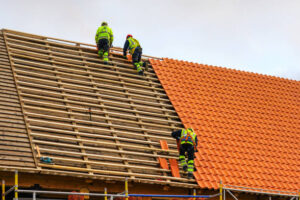

Composite roofing Texas homeowners are asking about has become one of the most discussed upgrades in residential construction, and the reasons are easy to understand. North Texas weather is hard on roofs. Hail, strong spring storms, long hot summers, and sudden temperature swings can wear down standard materials faster than many people expect. Composite products were designed to handle that kind of stress while still giving a home a polished look.
This guide explains what composite roofing is, how it performs in the region, which styles are available, and what to consider before you buy. You will also learn how a typical installation works, what maintenance looks like, and how composite compares with other materials. For an overview of the services offered locally, the Composite Roofing in Texas section of the Texas Roofing Specialists website is a helpful starting point. Homeowners who are still weighing alternatives can also speak with a metal roofing contractor to compare long-term performance before making a final decision.
What Is Composite Roofing?
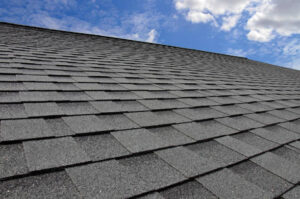
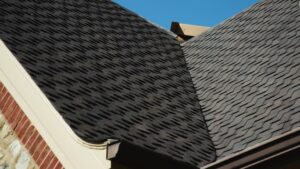
Composite roofing is a broad term for roofing products made from a blend of engineered materials instead of a single natural material such as clay, slate, or wood. Manufacturers combine polymers, recycled plastics, rubber, fiberglass, and sometimes stone or mineral fillers. The mixture is molded or pressed into shapes that copy the appearance of premium materials. The goal is to deliver the look of slate or wood shake with less weight, less upkeep, and stronger resistance to common roofing problems.
Common Materials Used in Composite Roofing Shingles
Different brands use different formulas, but most composite roofing shingles include a few shared ingredients:
Polymer resins. These form the base of the shingle and give it flexibility and impact resistance.
Recycled content. Many products use recycled plastic or rubber, which can reduce waste and add durability.
UV inhibitors. These additives slow fading and help the shingle handle strong sun.
Colorants and fillers. Pigments and mineral fillers create color depth and add structure.
Fire retardants. Many products include additives that help them reach a recognized fire rating.
Because formulas differ, it helps to read the manufacturer’s technical data sheet. Look for impact ratings, wind ratings, fire ratings, and warranty terms, since these tell you more than the marketing name on the box.
How Composite Differs From Asphalt Shingles
Asphalt shingles are made of a fiberglass mat coated in asphalt and topped with granules. They are affordable and widely used, but they can lose granules after hail and may crack or curl under years of heat. Composite shingles have no asphalt layer. They are thicker, more flexible, and designed to absorb impact without cracking. In general, they cost more upfront but are built to last longer and handle storms with fewer problems.
Why Composite Roofing Matters for Texas Homeowners
The climate in North Texas is one of the main reasons people look into composite materials. A roof that works well in a mild region may struggle here. Understanding the local conditions makes it easier to judge whether composite roofing shingles are a good fit.
Hail Resistance
Hail is a leading cause of roof replacement in the region. Even small stones can bruise shingles, knock off protective granules, and create weak spots that lead to leaks later. Larger stones can crack or puncture a roof.
Heat and UV Exposure
Summers in North Texas bring long stretches of strong sun and high temperatures. Over time, this exposure can dry out roofing materials, fade color, and cause cracking. Composite shingles include UV inhibitors and are made to stay flexible under heat. Many also have light or reflective color options that reduce how much heat the roof absorbs. Good attic ventilation is still essential, because even the best material cannot make up for trapped heat in the attic.
Wind and Storm Activity
Spring storms often bring strong gusts that lift shingle edges and tear off loose pieces. Composite shingles are usually heavier and stiffer than basic asphalt products, and many carry high wind ratings when installed according to the manufacturer’s instructions. Proper nailing and fastening are critical. A strong material with poor installation can still fail early.
Key Features of Composite Roofing Shingles
Knowing the main features helps you judge whether a product meets your needs. These are the points that matter most when you compare composite roofing shingles.
Impact resistance. This is the feature most Texas homeowners care about. Look for a Class 4 rating and ask for the test documentation.
Wind rating. Check the wind speed the shingle is rated for and note that this rating usually depends on following the exact fastening pattern.
Fire rating. Many products carry a Class A fire rating, the highest level under common standards. Confirm this on the product data sheet, since it may depend on the underlayment used.
Weight. Composite shingles are usually much lighter than natural slate or concrete tile. This lowers the structural demand on the home.
Warranty. Many manufacturers offer limited warranties of 40 to 50 years. Read the details carefully. Coverage often depends on proper installation, and some warranties prorate over time or exclude certain types of damage.
Moisture and rot resistance. Because composite materials do not absorb water the way wood does, they generally resist rot, algae, and insects better than natural options.
Benefits of Composite Roofing
When homeowners compare materials, a few advantages come up again and again.
Long Service Life
Composite products are built to last decades. While actual lifespan depends on weather, installation quality, and maintenance, many homeowners choose composite to avoid replacing the roof again for a long time. Spread over many years, a higher initial price can make sense.
Strong Performance in Storms
Because many products are impact-rated and flexible, they tend to handle hail better than standard shingles.
Premium Appearance
Composite slate, shake, and tile can raise curb appeal without the maintenance of natural materials. For homeowners who care about resale value, a well-chosen roof can help a home stand out.
Lower Maintenance
Composite roofs usually need less upkeep than wood or tile. Routine inspections and basic cleaning are normally enough.
Environmental Considerations
Many composite products use recycled content, and their long life means fewer tear-offs and less waste sent to landfills. If this matters to you, ask the manufacturer what percentage of recycled material is in the product and whether it can be recycled at the end of its life.
Limitations to Consider
No material is perfect, and a balanced view helps you decide with confidence.
Higher upfront cost. Composite roofing usually costs more than asphalt, sometimes by a wide margin. Pricing depends on the product line, roof size, slope, and complexity.
Shorter field history. Asphalt has been in use for many decades, so its long-term performance is well documented. Composite roofing is a newer category, and some products have been on roofs for fewer years. Warranty claims are only as strong as the company behind them, so research the manufacturer’s track record.
Installer experience matters. Composite products often require specific fastening and layout methods. An installer who is unfamiliar with them can make mistakes that affect performance and warranty coverage.
Product differences. Quality varies between brands. Not every composite shingle has the same impact rating, fire rating, or UV protection, so compare data sheets instead of assuming all products are equal.
Cost Considerations for Composite Roofing
Prices change with the market, so it’s best to get exact numbers from a written estimate. It is more useful to understand what drives cost.
Roof size and shape. Larger roofs with many valleys, dormers, and steep sections need more material and labor.
Product line. Premium slate and shake styles usually cost more than standard profiles.
Tear-off and decking repair. Removing old roofing and replacing damaged wood adds to the total.
Underlayment and accessories. Quality underlayment, flashing, vents, and ridge components all affect price and performance.
Local codes and permits. Some cities require permits and inspections, which may add fees.
A helpful way to compare is to look at cost per year of service rather than cost per square foot. A lower-priced roof that needs replacing twice may cost more over time than a premium roof that lasts once. This simple method gives you a fairer picture of value, though you should also factor in how long you plan to stay in the home.
Composite Roofing Compared With Other Materials
Composite is only one of several residential choices, so it helps to see how it fits among them.
Asphalt shingles. Asphalt costs less and is easy to install, but it generally has lower hail resistance and a shorter lifespan in this climate. Architectural asphalt is a solid mid-range option for many homes.
Metal roofing. Metal is known for long life, wind performance, and heat reflection. Homeowners curious about steel or aluminum panels can talk with a steel roofing company to learn about panel types, coatings, and impact ratings. Those who want to understand installation methods and maintenance can ask about metal roofing services in their area. Some metals can dent under large hail, though many panels carry impact ratings, so it is worth asking about specific products.
What to Expect During Composite Roof Installation
A well-managed composite roof installation follows a clear sequence. Knowing the steps helps you ask the right questions and spot problems early. Details vary by company and by product, so always follow the manufacturer’s installation guide.
Inspection and Estimate
The process begins with a roof inspection. The roofer checks the shingles, flashing, vents, gutters, and attic. They look for hidden moisture, soft decking, and ventilation problems. You then receive a written estimate that should list the material, labor, underlayment, ventilation, disposal, and warranty terms.
Structural Review
Composite products are lighter than slate or tile, but a roofer should still confirm that the roof structure is sound. This step is especially important if the home has had earlier repairs or if you plan to change the roof style.
Preparation and Tear Off
Crews protect landscaping, windows, and outdoor items. They then remove the old roofing down to the deck. Damaged or soft wood sections are repaired or replaced, since a new roof is only as strong as the surface beneath it.
Underlayment, Flashing, and Ventilation
Next comes the underlayment, which acts as a secondary water barrier. Crews install flashing around chimneys, valleys, skylights, and wall joints because these areas cause many leaks. Ventilation is checked and improved when needed, so heat and moisture can leave the attic.
Shingle Installation
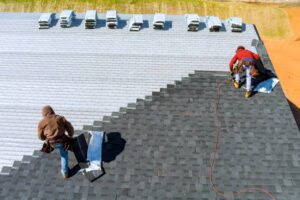
Composite roofing shingles are installed in rows from the bottom edge upward. Correct nail placement, nail type, spacing, and overlap are critical. Many composite manufacturers require specific fasteners and fastening patterns for the wind rating and warranty to apply. This is where installer experience matters most.
Final Cleanup and Inspection
When the shingles are in place, the crew cleans the site and uses magnets to collect stray nails. A final inspection confirms that flashing, ridge pieces, and vents are properly sealed. A good company will explain the warranty and give you any registration paperwork.
How Long Does Installation Take?
Many composite roofs on an average single-family home take several days, depending on size, weather, and complexity. Slate- and tile-look products may take longer than standard profiles. Decking or ventilation repairs can add time.

How to Choose a Roofing Contractor for Composite Products
Installation quality affects how well the roof performs, so choosing the right contractor is as important as choosing the right material. Consider these points:
Local experience. Ask how long the company has worked in North Texas and whether they have handled storm-related roof replacements.
Product knowledge. Ask whether the crew has experience with the specific composite line you are considering, and whether they follow the manufacturer’s installation requirements.
Written estimates. Compare at least two or three detailed bids. A very low price may signal missing steps or lower-quality materials.
Warranty details. Ask what the manufacturer covers and what the contractor covers for workmanship. Get both in writing.
References and past projects. Ask for examples of completed composite roofs and speak with past customers when possible.
Texas Roofing Specialists provides residential roofing services for homeowners in the region and can answer questions about material selection and installation planning during a consultation.
Conclusion
Composite roofing Texas homeowners are considering offers a practical balance of durability, appearance, and storm performance. Composite roofing shingles are engineered to resist hail, heat, and moisture, and they come in slate, shake, tile, and standard profiles that suit many home styles.
It also helps to compare composite with other materials before deciding. A team with metal roof specialties can explain how metal systems differ from composite so that you can weigh the options side by side. To learn more about Composite Roofing in Texas and how Texas Roofing Specialists approaches residential projects, review the service details on the website. If you are ready to talk about your own roof, contact us today to schedule an inspection and get answers to your questions.