
Residential shingle roof installation is a big job, and most homeowners only go through it a few times in their lives. Because of that, many people feel unsure about what will happen each day of the project. They wonder how long it will take, what the crew will do, and how they should prepare. Knowing the steps ahead of time makes the work less stressful. It also helps you spot problems early and ask better questions.
However, some homeowners also want to compare shingles with other materials. If that is you, it can help to read about residential metal roofing and see how it differs from shingles in cost, lifespan, and care. Homeowners in the Fort Worth area who want local help can also look at what a Keller TX roofers team offers for nearby projects.
What Is Residential Shingle Roof Installation?
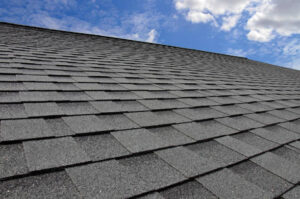
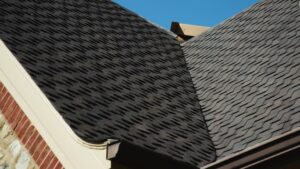
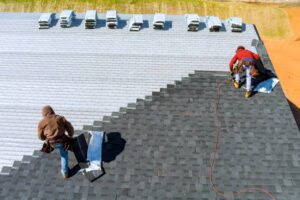
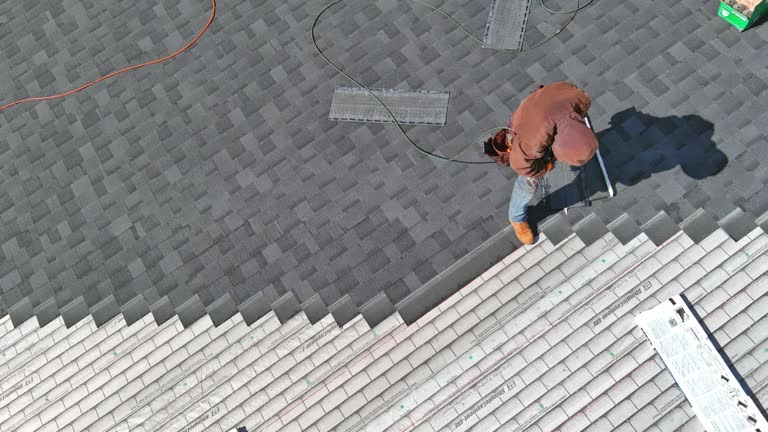
Residential shingle roof installation means removing worn roofing, repairing the surface underneath, and putting on a new shingle system. It is more than laying shingles. A complete roof is a set of layers that work together to keep water out and let heat and moisture escape.
These layers usually include:
Roof deck. This is the wood surface that the roof sits on.
Underlayment. This is a water-resistant sheet placed over the deck.
Flashing. These are thin metal pieces that seal joints and edges.
Shingles. These are the visible outer layer that sheds water and blocks sun.
Ventilation. Vents let hot, damp air leave the attic.
If any layer is done poorly, the whole roof can suffer. For this reason, a good project pays attention to every layer, not only the shingles.
Why the Process Matters
Many early roof failures come from installation errors, not from bad materials. Nails placed too high, missing flashing, or poor attic airflow can all shorten a roof’s life. Shingle makers also tie their warranties to correct installation. Knowing the roofing installation process helps you see whether the crew is doing the job right.
Common Reasons for a New Roof
Homeowners usually replace a roof for one of these reasons:
The shingles are old, curling, or cracking.
Hail or wind has damaged the surface.
Leaks have shown up in the ceiling or attic.
Many granules are collecting in the gutters.
The home is being prepared for sale.
Before the Work Begins: Planning and Preparation
Good planning makes the project smoother. Most of the important decisions happen before the crew arrives.
Get an Inspection and Written Estimate
A roofer should inspect the roof surface, flashing, vents, gutters, and attic. In the attic, they look for damp insulation, stains, and poor airflow. A written estimate should follow. It should list the shingle brand and line, underlayment type, flashing, vents, tear-off, disposal, and warranty terms. Compare at least two or three estimates, and compare the full scope, not only the final price.
Choose Your Shingles
Most homes use one of two types of asphalt shingles. Three-tab shingles are thin, flat, and lower-cost. Architectural shingles are thicker, have more depth, and often last longer. Many homeowners choose architectural shingles for better wind and hail protection. Impact-resistant versions are also available. Ask the roofer for product data sheets so you can compare ratings.
Check Permits, Codes, and HOA Rules
Many cities require a permit for a full roof replacement. Some homeowner associations also limit shingle type or color. Ask your roofer who will handle the permit. Confirm these rules early so the schedule does not slip.
Prepare Your Home and Yard
A few simple steps can protect your property:
Move cars out of the driveway and away from the house.
Clear patio furniture, grills, and decorations from around the home.
Take pictures and wall hangings off walls, since the hammering can shake them loose.
Cover items in the attic if dust is a concern.
Tell neighbors about the project, since it can be noisy.
Secure pets indoors and keep children away from the work area.
How Long Does Residential Roof Installation Take?
Most homes take one to three days. The final time depends on several factors:
Roof size. A larger roof means more material and more labor.
Roof shape. Many valleys, dormers, and steep slopes slow the work.
Weather. Rain, strong wind, or extreme heat can pause the job.
Deck repair. Rotted wood adds time.
Material delivery. Supply delays can push back the start.
Crew size. Larger crews often finish faster, but quality matters more than speed.
If the weather turns bad mid-project, a good crew will cover the exposed roof with waterproof tarps. Ask how your roofer handles rain delays before work starts.
Asphalt Shingle Installation: Details That Affect Performance
Many homeowners do not know which small details affect how long a shingle roof lasts. Here are the ones to watch.
Starter Strips and Edge Seals
Starter strips help the first row of shingles seal tightly. Without them, wind can lift the edges. Ask whether the crew uses a proper starter strip or cuts down regular shingles.
Underlayment Choice
Underlayment may be felt paper or a synthetic sheet. Synthetic types are often stronger and tear less easily. Ask which type is included in your estimate.
Nail Type
Roofing nails should be corrosion-resistant. Staples are not recommended by most shingle makers. Ask if the crew uses nails and how they are installed, by hand or with a nail gun set at the right pressure.
Ventilation Balance
A roof needs both intake vents, usually at the eaves, and exhaust vents, usually near the ridge. If one is missing, the system will not work well. This is one of the most overlooked parts of residential shingle roof installation.
Manufacturer Instructions
Each shingle line has its own installation rules. These rules cover nailing pattern, overlap, and fastener type. Warranties often depend on following them. Ask the roofer to confirm that they follow the manufacturer’s guide.
Comparing Shingles With Other Roofing Options
Asphalt shingles are popular for good reasons. They cost less than many other materials, they come in many colors, and crews know how to install them well. However, they are not the right fit for every home. Some homeowners compare shingles with other options before making a final choice.
Metal is one of the most common comparisons. It lasts longer, handles wind well, and reflects heat. The upfront cost is higher, and some panels can dent under large hail, though many have impact ratings. Homeowners exploring metal roofing options for residential use can review panel types, finishes, and installation methods before deciding. Those who are curious about metal roofs for homes can also ask about coatings that handle heat and UV exposure.
If you live in or near Keller, Texas, it may help to speak with a local team that knows the area. A Keller roofing company can explain how local weather, hail patterns, and city permit rules affect your material choices and timeline.
Common Mistakes to Avoid
Homeowners often run into the same problems during a roof project. Here are the most common ones.
Choosing on price alone. The lowest bid can leave out steps such as new underlayment, drip edge, or airflow upgrades. Compare the full scope before you decide.
Skipping the written contract. Make sure the contract lists the product, scope, start date, payment schedule, and warranty.
Ignoring ventilation. Even a premium shingle can fail early in a hot attic.
Paying the full amount upfront. Many homeowners pay a deposit and then pay the rest in stages or after the work is complete. Ask what payment schedule is normal.
Not asking about deck repair. Rotted wood is a common surprise. Ask how the roofer will price and report it.
Layering over old shingles. A full tear-off lets the crew see and repair problems under the old roof.
Forgetting to keep records. Save your contract, warranty, product details, and photos. You may need them for future claims.
How to Choose a Roofing Contractor
The crew you pick matters as much as the shingle. Look for these signs of a reliable contractor:
Local experience. Ask how long the company has worked in your area and whether it handles storm-related projects.
Clear written estimates. A good estimate lists materials, labor, and extra costs in plain terms.
Manufacturer training. Some shingle makers train and certify installers. This can help with warranty coverage.
References and reviews. Ask for recent customer references. Look at online reviews and see how the company responds to concerns.
Communication. A good contractor answers questions clearly and gives you a realistic schedule.
Texas Roofing Specialists provides roofing services for homeowners across North Texas, including residential roofing and metal roofing projects. Questions about materials, scheduling, and the installation process can be raised during a consultation.
After the Installation: Care and Maintenance
Once your new roof is on, a few simple habits will help it last longer.
Inspect twice a year. Check in spring and fall, and after major storms, for missing, curling, or cracked shingles.
Keep gutters clean. Clogged gutters let water back up under the roof edge.
Trim nearby branches. Limbs can scrape shingles and drop wet debris.
Watch for granule loss. Heavy granules in the gutters may mean shingles are aging early.
Check the attic. Stains, damp insulation, or daylight through the roof are early warning signs.
Skip the pressure washer. High pressure can strip granules and shorten shingle life.
Keep your paperwork. Store the warranty and installation records in a safe place.
Conclusion
Residential shingle roof installation follows a clear order. It starts with an inspection and estimate. Then comes preparation, tear-off, deck repair, underlayment, flashing, and shingle installation. It ends with ridge caps, cleanup, and a final check. Each stage affects how well the roof performs, so none should be rushed. Understanding the roofing installation process helps you ask better questions and know what good work looks like.
It also helps to look at your options before you choose. Asphalt shingles are a strong value for many homes, but other materials may suit some properties better. A team that offers residential metal roofing can explain how metal compares with shingles over the long term.
If you are planning a new roof or want a professional opinion on your current one, contact us today to set up an inspection and get clear answers to your questions.