
Residential roofing Trophy Club TX homeowners need is shaped by the local climate and the age of the homes in the area. Trophy Club sits in Denton and Tarrant counties, where hail, strong spring winds, and long, hot summers put stress on roofs. Many homes in the community were built over the past few decades, so a growing number of roofs are reaching the age where repair or replacement becomes a real question.
This guide explains the main roofing materials used on homes in the area, how to tell when a roof needs replacing, and what the replacement process looks like. For an overview of the services offered for homes in the region, the Residential Roofing in Trophy Club information on the Texas Roofing Specialists website is a useful place to start.
Why Roofing Choices Matter in Trophy Club
A roof protects the structure, the insulation, the attic, and everything inside your home. A poor material choice can lead to leaks, higher cooling bills, and early replacement. A good choice can last for decades with routine care. Because North Texas weather is demanding, it helps to know what your roof will face before you compare materials.
Hail and Storm Activity
North Texas sees frequent hail. Even small stones can bruise shingles, knock off protective granules, and shorten a roof’s life. Larger stones can crack or puncture roofing. Many local homeowners replace a roof because of storm damage, not age alone.
Heat and Sun Exposure
Summers here are long and hot. Constant sun dries out roofing, fades color, and can cause shingles to curl or crack over time. Dark roofs absorb more heat, which can raise attic temperatures and make air conditioning work harder. Lighter colors and reflective products can help. Good attic airflow matters as much.
Wind and Seasonal Changes
Spring storms bring strong gusts that can lift shingle edges and tear off loose pieces. Swings between hot and cold weather also make roofing materials expand and contract. Over many seasons, this movement can weaken seals and fasteners. Shingles with a higher wind rating and careful installation help reduce these risks.
Neighborhood Rules
Trophy Club has many planned neighborhoods, and some are managed by homeowner associations. These groups may set rules on shingle type, color, or style. Check your HOA guidelines before you pick a material, since an approval step can add time to your project.
Asphalt Shingle Roofing for Trophy Club Homes
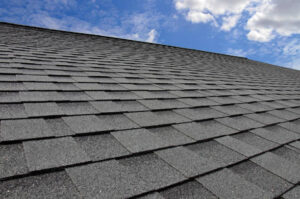
Asphalt shingle roofing is the most common choice for homes across the country, and it is widely used in North Texas. A shingle is made from a fiberglass mat coated in asphalt and topped with ceramic granules. The granules block the sun and give the shingle its color.
Types of Asphalt Shingles
There are two main types, and the difference affects performance.
3-tab shingles are thin, flat, and light. They cost less, but they offer less wind and hail protection and usually last less.
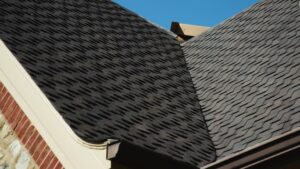
Architectural shingles are made from two or more bonded layers. They are thicker and heavier, adding strength and giving the roof a more textured look. They often carry higher wind ratings and longer warranties than 3-tab products.
Benefits of Asphalt Shingle Roofing
Asphalt shingle roofing remains popular for clear reasons.
Lower upfront cost. It is usually the least costly of the common materials.
Many colors and styles. It is easy to find a shade that suits brick, stone, or siding.
Fast installation. Crews know the product well, so most homes take only a few days.
Simple repairs. Single shingles can be replaced after storm damage.
Drawbacks to Consider
The main concerns in this region are hail and heat. Standard shingles can lose granules after a hail storm, and long sun exposure can cause cracking and curling. The real lifespan here may fall toward the lower end of the typical range, especially if the attic has poor airflow. If you choose asphalt, look for architectural shingles with a high wind rating, and ask whether an impact-resistant version is available.
Composite Shingles and Other Options
Composite Shingles
Composite shingles are made from engineered materials such as polymers and recycled content. Many are made to look like slate or wood shake. They weigh less than real slate, and many reach a Class 4 impact rating. They usually cost more than asphalt and require careful installation. They also have a shorter track record in the field than asphalt, so it is smart to read warranty terms closely.
Metal Roofing
Metal roofs are known for long life, fire resistance, and strong wind performance. They reflect solar heat, which can help lower cooling costs. Standing seam panels and metal shingles are common for homes. The upfront cost is higher than asphalt, and some metals can dent under large hail, though many panels carry impact ratings.
Homeowners who want to learn how metal compares with shingles can read about Grand Prairie TX roofing to see how metal systems are described for homes in a nearby city.
Clay and Concrete Tile
Tile roofs suit Spanish and Mediterranean style homes. They last for decades and handle heat well. They are heavy, so the roof frame must carry the load, and broken tiles can be costly to replace after hail.
Signs You May Need Roof Replacement in Trophy Club
Roof replacement Trophy Club homeowners consider often starts with a visible warning sign. Not every problem calls for a full new roof, but the signs below suggest it is time for a professional inspection.
Age of the Roof
Asphalt shingle roofs often last about 15 to 30 years, depending on the shingle type, weather, and care. If your roof is near the end of that range, even good repairs may not be worth the cost.
Shingle Damage
Look for these signs of shingle wear:
Curling or cupping shingles
Cracks across many shingles
Bald spots where granules have worn away
Missing shingles in several areas
Heavy moss or dark streaks that keep returning
Granules in the Gutters
Granules protect the asphalt from the sun. When many of them wash into your gutters, the shingles are likely aging out.
Leaks and Attic Stains
Stains on ceilings, damp insulation, or daylight through the roof deck are warning signs. If the same leak returns after repair, or new leaks appear in different places, the roof may be failing overall.
Hail and Wind Damage
Hail damage is often hard to see from the ground. After a storm, a roofer should check each slope, the flashing, and the vents. If damage is spread across the roof, replacement is often the better path than patching.
A Sagging Roof Deck
A roof that sags or looks wavy may have deck or framing problems. This is serious and should be inspected soon.
Repair or Replacement: How to Decide
Small, local problems can often be fixed. A few missing shingles or a worn flashing seal are common repair jobs. Replacement makes more sense when damage is widespread, the roof is old, or repairs keep coming back.
What to Expect During a Roof Replacement
Understanding the process makes planning easier. Details vary by company and by product, so always follow the manufacturer’s installation guide.
Inspection and Estimate
A roofer checks the shingles, flashing, vents, gutters, and attic. They look for hidden moisture, soft decking, and airflow problems. You then receive a written estimate that lists materials, labor, underlayment, vents, tear-off, disposal, and warranty.
Permits and Approvals
Many cities require a permit for a full roof replacement, and HOAs may need to approve materials and colors. Ask your roofer who will handle each step so the schedule does not slip.
Tear Off and Deck Repair
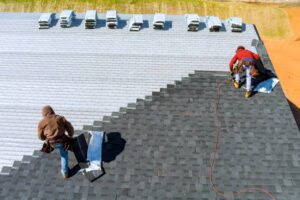
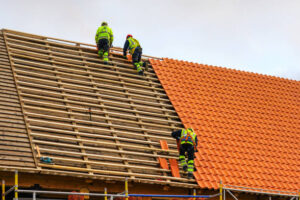
Crews protect the yard and then remove the old roofing down to the deck. Damaged or soft wood is replaced, since a new roof is only as strong as the surface under it. A full tear-off is often better than adding a second layer, which can trap heat and hide problems.
Underlayment, Flashing, and Ventilation
The crew installs underlayment as a second water barrier. They add flashing around chimneys, valleys, skylights, and wall joints because these areas cause many leaks. Attic airflow is checked and improved if needed.
Shingle Installation
Shingles are laid from the bottom edge upward. Nail placement, spacing, and overlap matter a great deal. Poor installation is a common cause of early failure and can affect warranty coverage.
Cleanup and Final Inspection
The crew cleans the property, uses magnets to collect stray nails, and inspects the finished roof. A good company explains the warranty and gives you the paperwork.
Cost Factors for Residential Roofing in Trophy Club
Prices change with the market, so a written estimate is the only reliable number. It is more useful to understand what drives the cost.
Roof size and shape. Large roofs with many valleys and dormers need more material and labor.
Material choice. Architectural shingles, composite, and metal cost more than basic shingles.
Tear-off and disposal. Removing the old roof adds labor and dump fees.
Deck repair. Rotted wood adds to the total.
Underlayment, vents, and flashing. Better parts add cost and also add performance.
Permits and HOA steps. Some projects include fees or extra review time.
How to Choose a Roofing Contractor in Trophy Club
The crew matters as much as the shingle. When you look for a roofing contractor Trophy Club homeowners can trust, check these points:
Local experience. Ask how long the company has worked in North Texas and whether it handles storm-related projects.
Written estimates. A good estimate lists materials, labor, and extra costs in plain terms.
Product training. Some shingle makers train installers, which can help with warranty coverage.
References and reviews. Ask for recent references and read online reviews.
Clear warranty terms. Get both manufacturer and workmanship coverage in writing.
Texas Roofing Specialists provides roofing services for homeowners across North Texas and can answer questions about materials, scheduling, and installation during a consultation. Homeowners who want to see how a nearby team describes its work can also read about Grand Prairie roofing before they decide.

Roof Maintenance Tips
Even a strong roof lasts longer with care.
Inspect twice a year. Check in spring and fall, and after major storms.
Keep gutters clean. Clogged gutters let water back up under the roof edge.
Trim nearby branches. Limbs scrape shingles and drop wet debris.
Watch the attic. Look for stains, damp insulation, or daylight through the deck.
Fix small problems early. A loose shingle is easy to fix today and costly later.
Skip the pressure washer. High pressure can strip granules.
Keep records. Save warranty papers and inspection reports.
Conclusion
Residential roofing Trophy Club TX homeowners should balance budget, climate, and long-term plans. Asphalt shingle roofing offers a proven, affordable option, especially for this architectural style. Composite shingles and metal cost more upfront but offer stronger storm performance and longer life. Whatever you choose, careful installation and a clear written estimate matter as much as the material itself.
It also helps to know the signs that Trophy Club homes may need a roof replacement, such as age, widespread shingle damage, repeated leaks, and storm damage. Homeowners who want to compare metal with shingles can read about Residential Roofing in Trophy Club and look at Grand Prairie, TX roofing to see metal options in the wider area.
If you are planning a replacement or want a professional opinion on your roof, contact us today to schedule an inspection and get clear answers to your questions.